
Six trades, one standard of finish.
From the first coat of plaster to the final render, every job we take on in Melbourne's south east gets the same thing: proper preparation, the right material for the surface, and a finish that's still doing its job in ten years, not just on handover day.
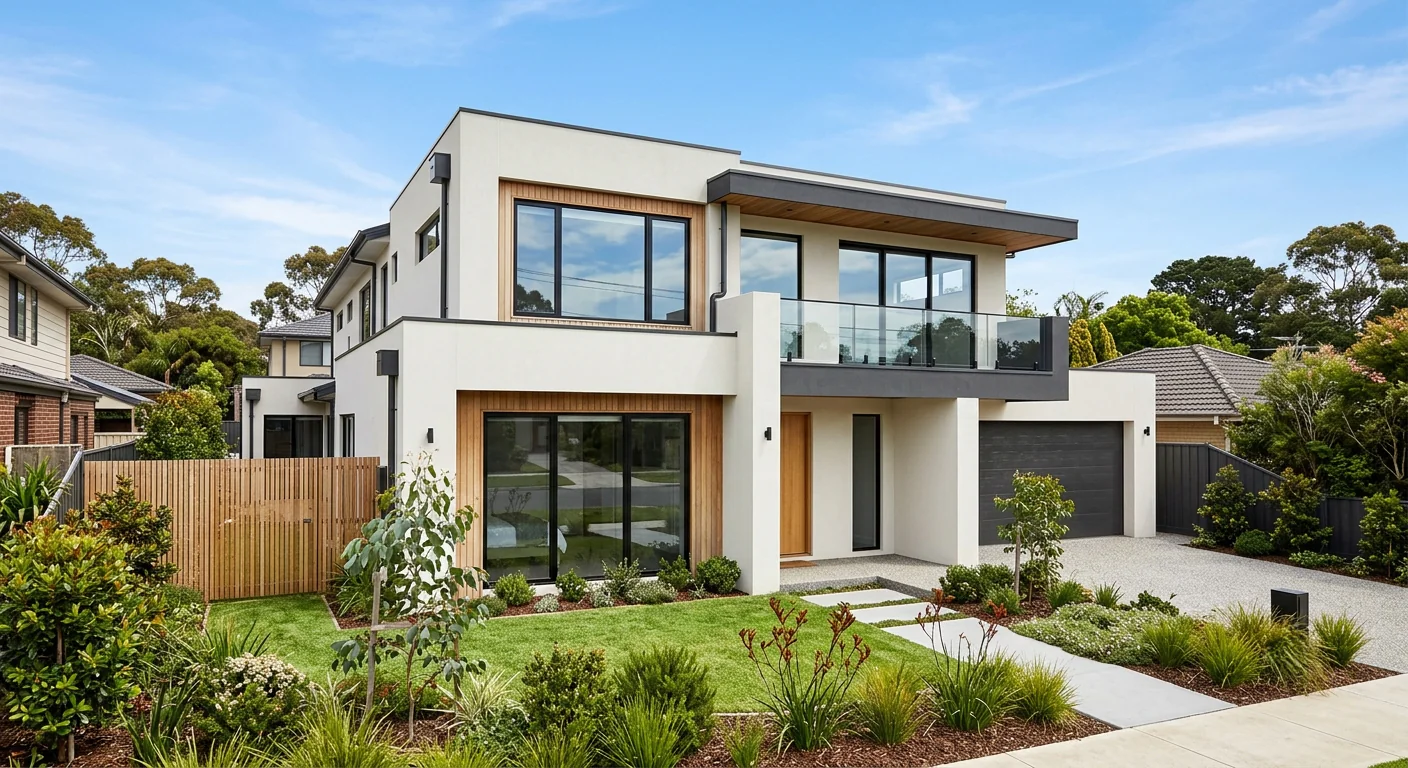
Best Rendering Group works across six trades that tend to sit next to each other on a build anyway — rendering, plastering, Hebel installation, moulding, concrete finishing, and foam installation. We didn't set out to be a one-stop shop for the sake of it; it just turned out to be more useful for the builders and homeowners we work with if the same crew that plasters a wall can also render it, finish the floor beneath it, and add the cornice above it.
Most of the projects we take on don't fit neatly into one trade anyway. A renovation might need plaster repairs, a full render, and new cornices before it's finished. A new build might need Hebel installed on one section and concrete polished in another. Having one team across all of it means fewer handovers between contractors, fewer arguments about whose fault a delay is, and one point of contact who actually knows the whole job, not just their piece of it.
We're based in Cranbourne and work right across Melbourne's south eastern suburbs, on homes, renovations, and commercial builds. Have a browse through the six services below, or if you already know what you need, get in touch and we'll walk you through it properly.
Explore our services
Six trades. One crew. Every job prepared properly before a single finish coat goes on.
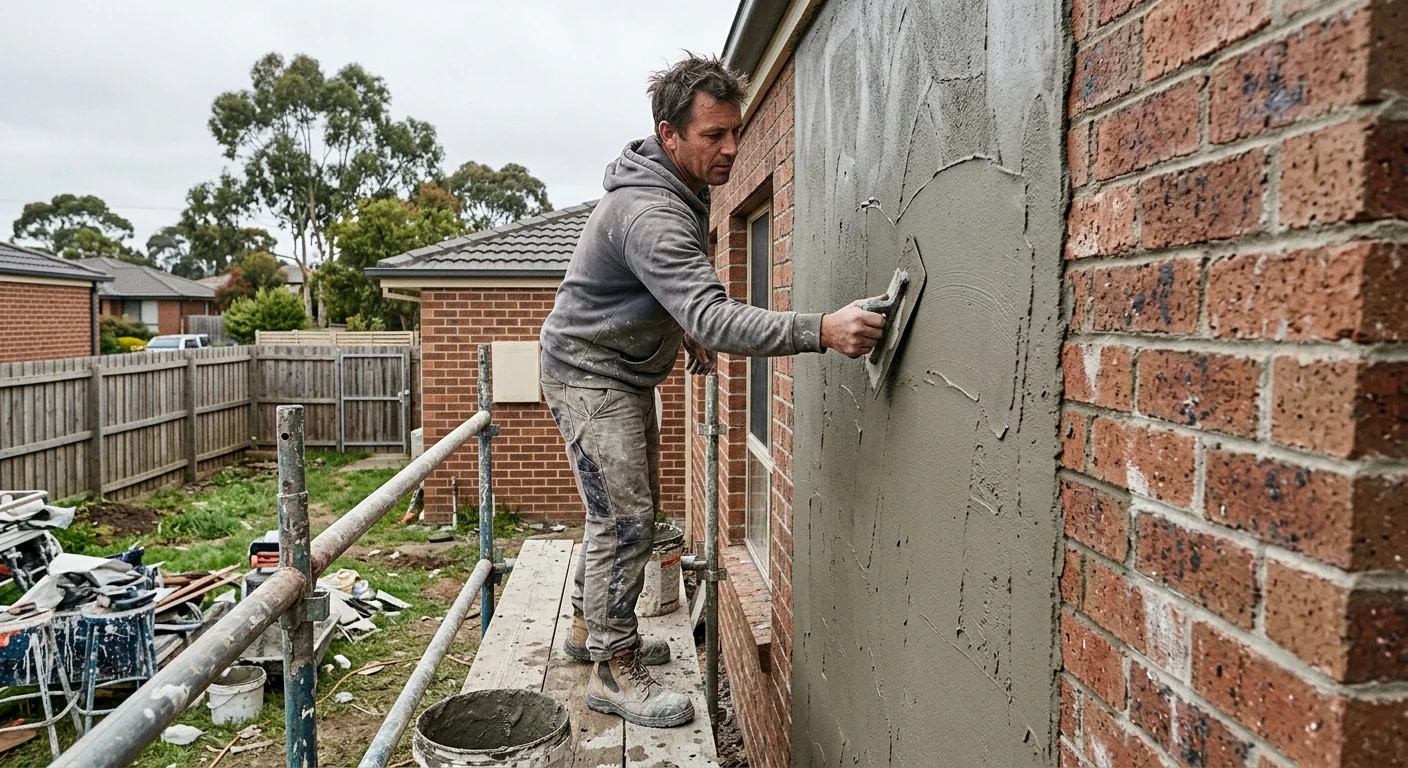 Cement & Acrylic
Rendering
Cement and acrylic rendering that protects walls from the weather while giving the property a genuinely clean finish.
Explore rendering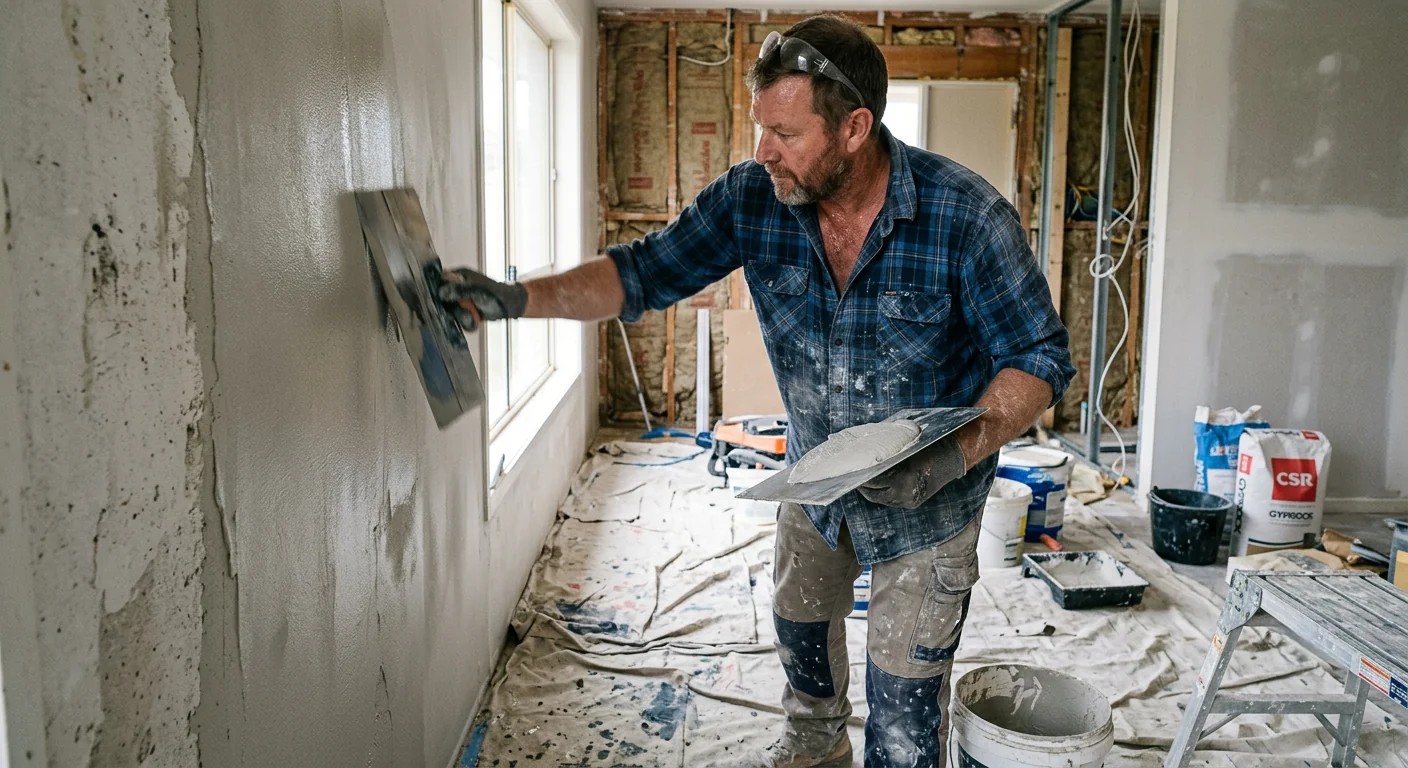 Interior & Exterior
Plastering
Smooth, paint-ready walls and ceilings, plus repairs to cracked or damaged plaster before it becomes a bigger problem.
Explore plastering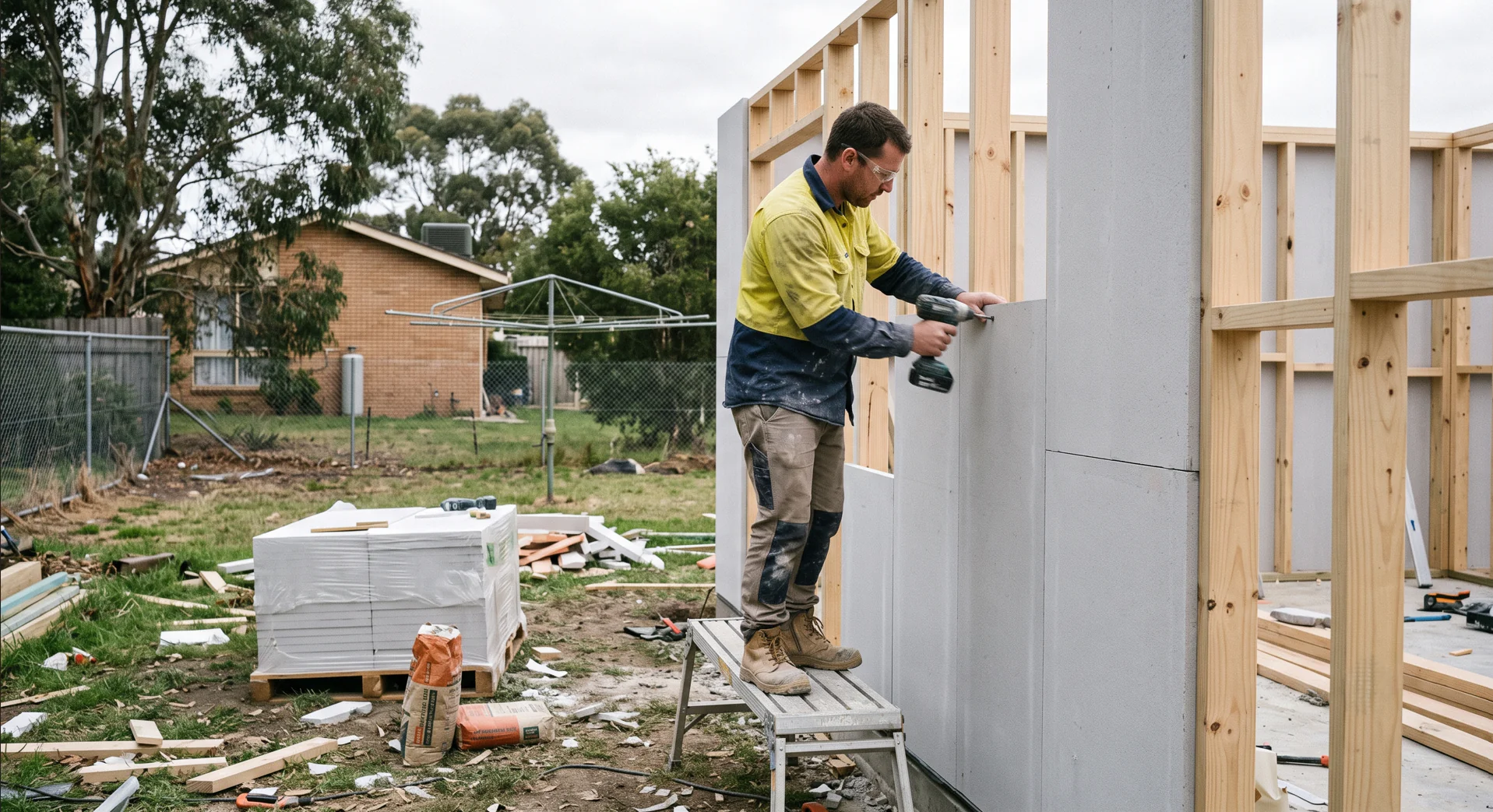 AAC Panel System
Hebel Installation
Lightweight AAC wall and cladding systems, fixed and sealed to spec for new builds, extensions, and commercial projects.
Explore Hebel installation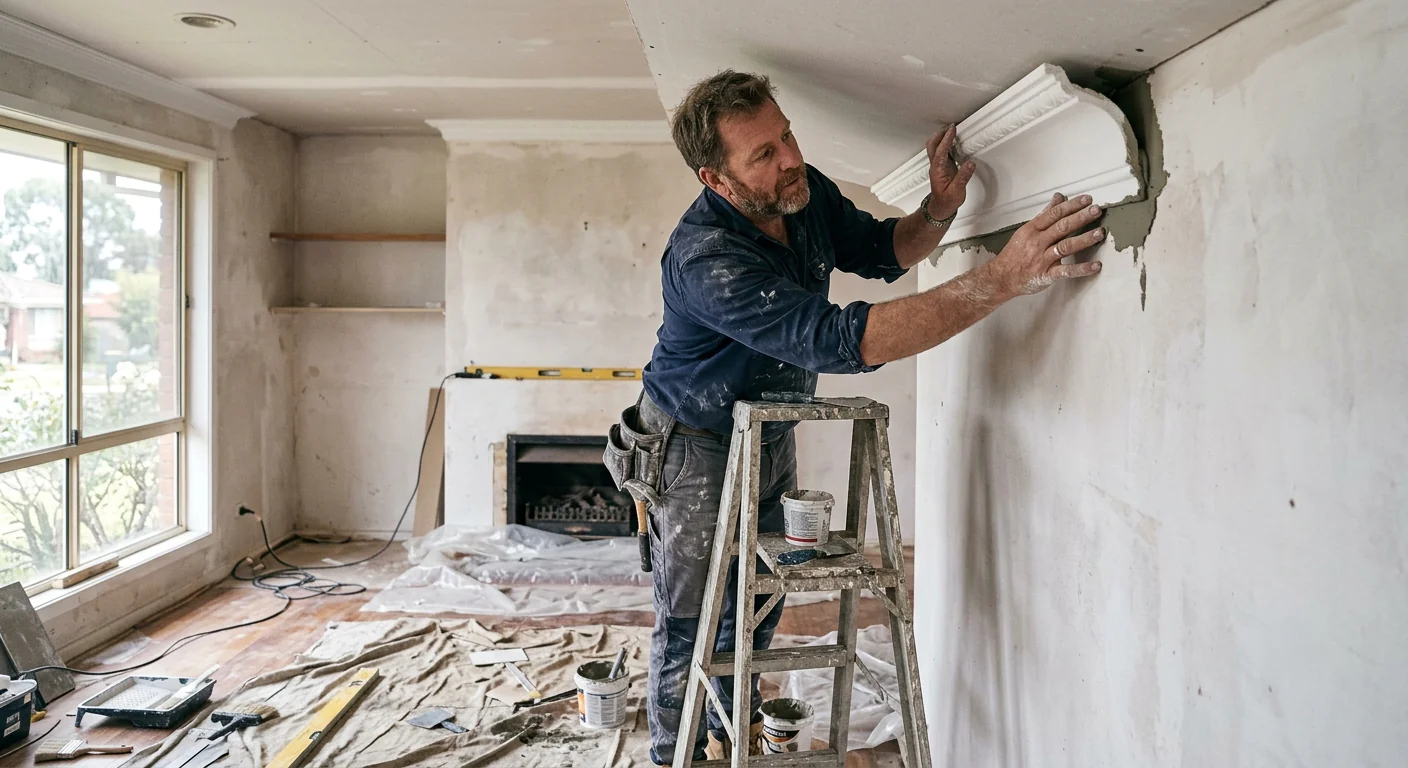 Plaster Detail
Moulding
Decorative and architectural moulding, from a simple cornice run to a fully custom feature piece built around the room.
Explore moulding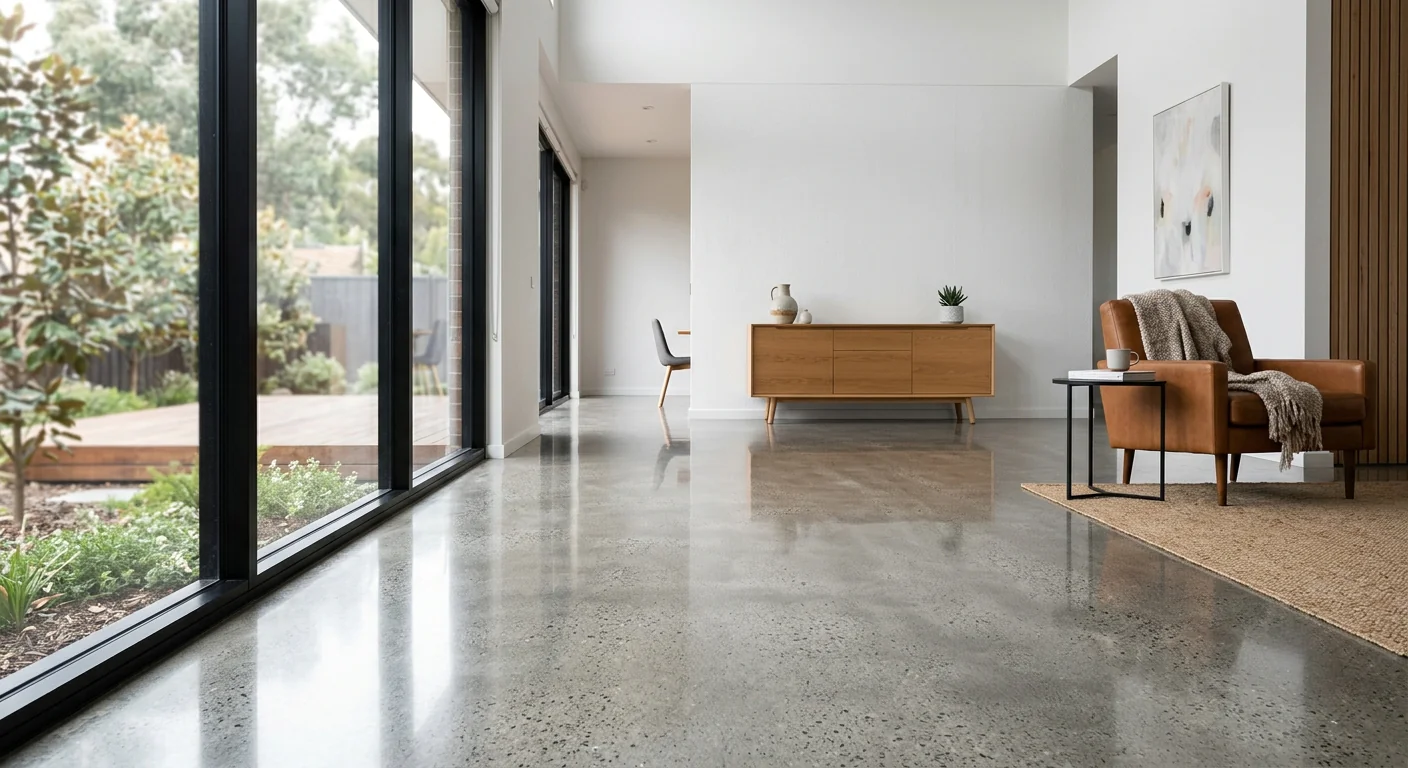 Polished & Resurfaced
Concrete Finishing
Polished concrete and resurfacing for driveways, floors, and commercial spaces that need to handle daily wear.
Explore concrete finishing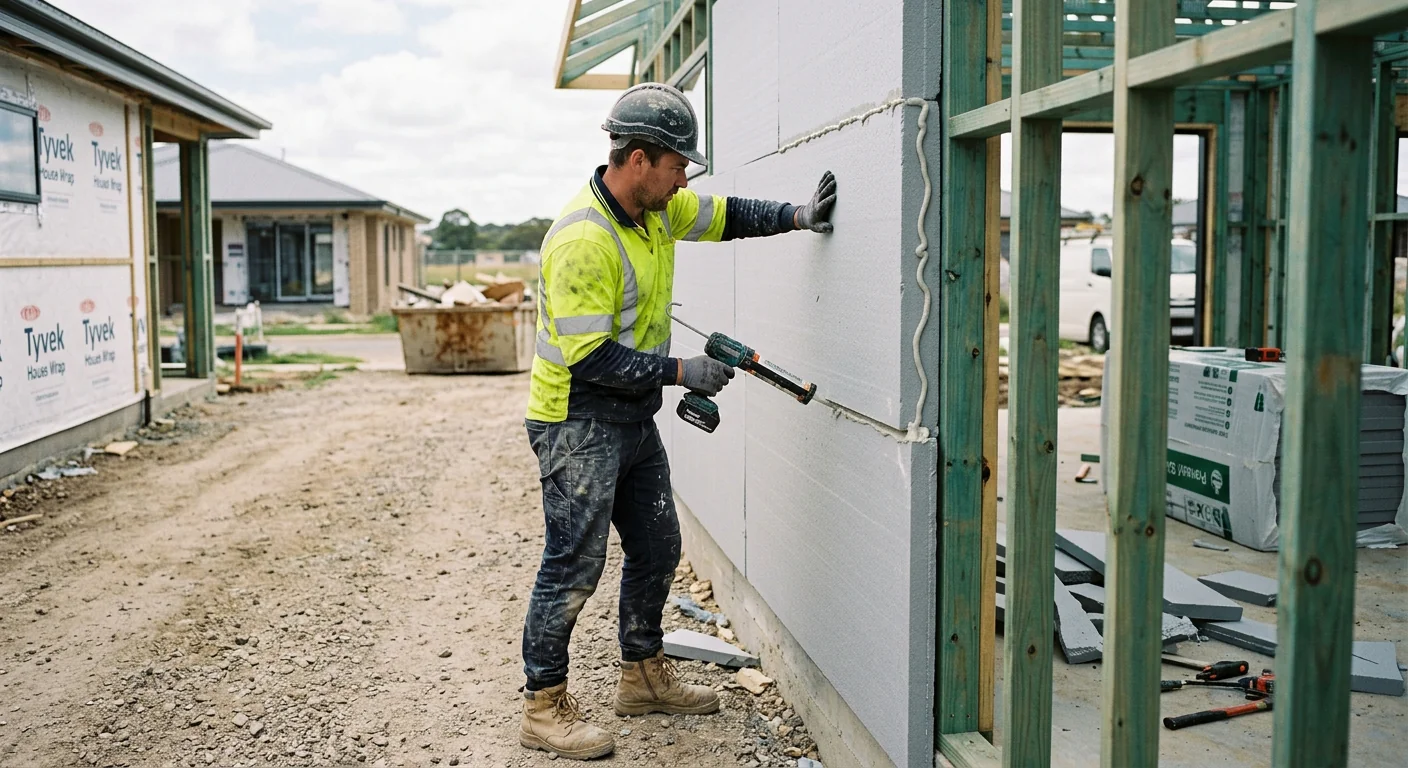 Lightweight EPS/XPS
Foam Installation
Lightweight foam systems for facades and feature detailing, giving design flexibility without adding structural load.
Explore foam installationBuilt on local experience
We work across residential and commercial projects, and the two environments call for a different approach — a homeowner's renovation isn't run the same way as a retail fitout on a builder's deadline.
As a crew working across Melbourne's south eastern suburbs, we regularly work with:
- Homeowners renovating or upgrading their property
- Builders and developers on new residential projects
- Retail and hospitality fitouts
- Commercial and industrial buildings
Why clients keep coming back
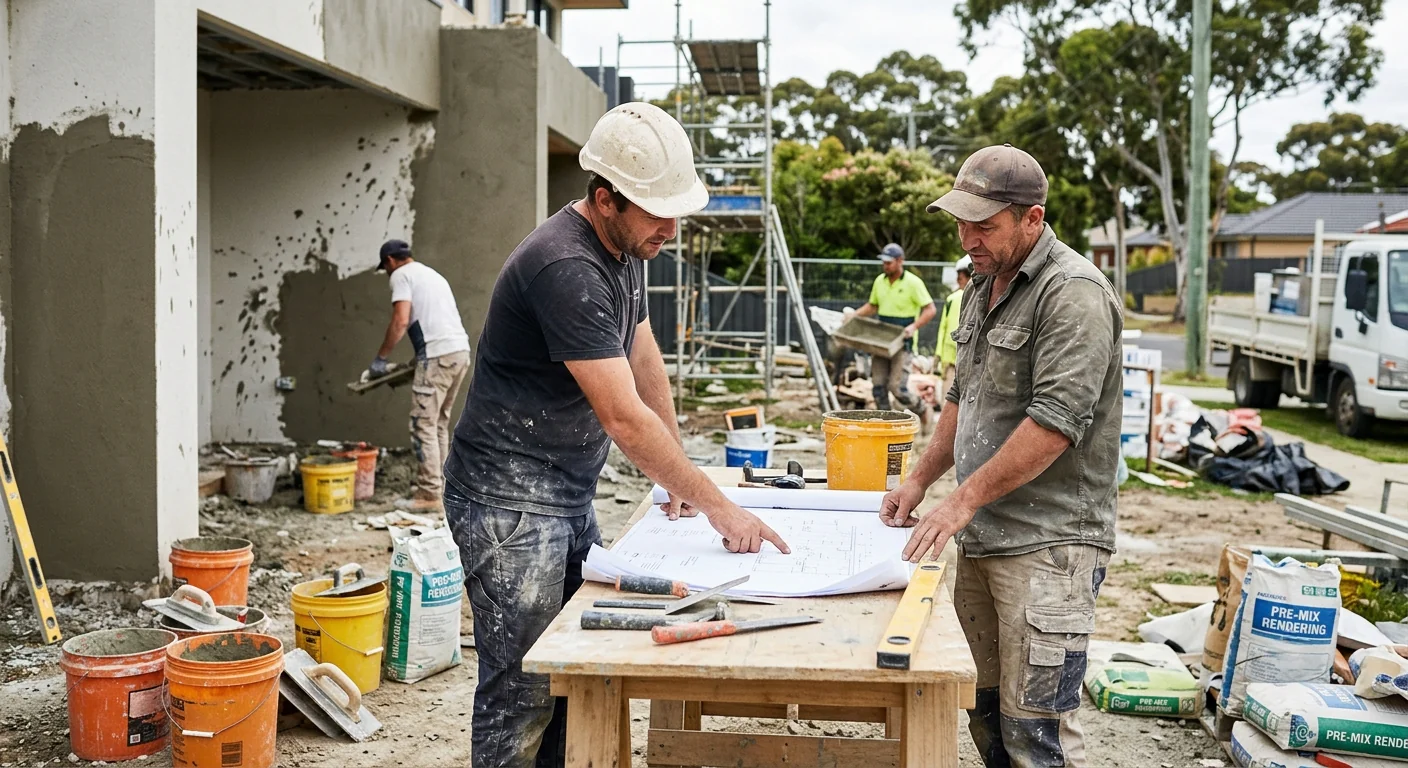
Most of our new work comes from repeat clients and referrals rather than one-off enquiries, which says more about how a job holds up two years later than any finished photo can.
That comes down to a handful of things we don't compromise on: proper local experience, materials matched to the actual surface, clean finishes, realistic timelines, and a solution built around the property in front of us rather than a standard template.
The finish only ever lasts as long as what's underneath it.
Most of the callbacks we get on other people's jobs trace back to the same handful of shortcuts — skipped prep, the wrong system for the surface, or a finish coat rushed on before the last one had properly cured. None of that is complicated to avoid. It just takes someone willing to slow down at the start of the job instead of the end of it.
We check the surface before we quote it
Cracks, moisture, movement — the things that cause a job to fail two years in are almost always visible before we start, if someone actually looks. A quote based on a phone photo or a quick guess is a quote that's likely to change once we're actually on site.
We choose the system to suit the surface, not the schedule
Cement or acrylic, cornice profile, panel type — the right choice depends on the wall, the building, and how it'll be used, not on what's quickest for us to apply. If a job would genuinely be better served by a different approach than the one you had in mind, we'll say so.
We coordinate around the trades either side of us
On builder-led jobs especially, our work has to slot into a sequence without holding anyone up or getting undone by the next trade in. That means turning up when we say we will, and finishing to a standard the next crew doesn't have to fix.
Not sure which service applies to your project?
A lot of the enquiries we get start with someone describing a problem, not a service. A wall that's cracking. A driveway that's looking tired. A ceiling that needs "something" done to it before painting. Here's a rough guide to how those problems usually map to the trades we cover, so you've got a starting point before you call.
Your brick walls look worn, patchy, or dated
This is almost always a rendering job. A cement or acrylic render goes over the existing brick, unifying the surface into one clean finish while adding a genuine layer of weather protection the raw brick never had.
Your internal walls or ceilings have cracks, holes, or rough patches
That's plastering territory. Whether it's a full re-plaster on a renovation or a patch repair before you repaint, the surface needs to be smooth and stable before anything goes over the top of it.
You're extending, building new, or need a lightweight wall system
That's usually Hebel installation. It's common on extensions and new builds where a lighter wall or cladding system is either specified on the drawings or makes more sense than standard brick.
Your ceilings or walls feel flat and need some character
This is where moulding comes in — cornices, wall panels, and decorative detail that add warmth to a room without needing structural work.
Your floor, driveway, or slab is worn, cracked, or just plain concrete
Concrete finishing covers this — polishing an existing slab to a clean, durable finish, or resurfacing a tired driveway or patio without a full replacement.
Your project needs a lightweight facade or feature detail
That's foam installation — EPS and XPS systems used for facade features and design detail where adding real structural weight isn't practical or necessary.
What happens after you get in touch
You tell us what's going on
A call, a message, a couple of photos — we just need enough detail to understand the problem and which trade it likely falls under.
We look at the site or drawings
An accurate quote needs an actual look, either in person or through detailed plans. Surface condition changes the scope more than people expect.
You get a clear, real quote
A proper number, not a rough guess. If more than one trade is involved, we scope the whole job together instead of piecing it out.
We schedule around your project
On builder-led jobs, that means the right point in the build sequence. On homeowner jobs, it means working around what's livable for you.
We finish it and check it properly
Every job gets reviewed against the standard we'd want on our own place, not just a quick look before we pack up the ute.
What a rushed job usually looks like later
Almost none of the problems we get called out to fix show up on day one. They show up six months to two years later, once weather, movement, and daily use have had time to find whatever was skipped the first time around. A few patterns come up again and again:
- Hairline cracking in render or plaster — usually a sign the surface wasn't prepped properly, or the wrong system was used for a wall that moves more than it should have been allowed to.
- Bubbling or peeling paint over render — often moisture that was sealed in rather than dealt with before the finish coat went on.
- Uneven cornice lines — a millimetre out at the start of a run becomes obvious across a whole ceiling.
- Concrete that's worn unevenly — a sign the finishing process was rushed rather than worked through in stages.
What actually prevents it
None of this is really about materials being better or worse than each other. It's almost always about whether the person applying them took the time to do the parts nobody sees — the parts that don't show up in a photo of the finished job.
- Proper surface inspection before any material is chosen, not after.
- The right system for the actual substrate, rather than whatever's fastest to apply.
- Enough time between coats and stages for each layer to genuinely cure, not just look dry.
- A final check against the finish standard, not just against the clock.
From the blog
Guides, cost breakdowns, and practical advice on rendering, plastering, and finishing work.
Where we work
We're based in Cranbourne, and most of our work stays within the south eastern growth corridor — the mix of established suburbs and newer developments that make up this part of Melbourne. That local base matters more than it might seem: local conditions, the mix of building styles across older and newer suburbs, and even council requirements shift block by block, and it helps to be working with a crew that's already familiar with the area rather than learning it on your job.
If you're outside the suburbs listed below, get in touch anyway — we service a wider radius for the right project.
Questions before you book
Do I need to know exactly which service I need before I call?
No. Most people describe a problem, not a trade — a cracked wall, a tired driveway, a ceiling that needs work before painting. We'll work out which service actually applies once we know what you're dealing with.
Can you handle a project that needs more than one of these services?
Yes, and it's genuinely more common than a single-trade job. Renovations especially tend to need plastering, rendering, and moulding across the same project, and having one crew across all of it avoids the usual back-and-forth between separate contractors.
Do you work with builders and developers, or only directly with homeowners?
Both. A solid share of our work comes from builders and project managers who need a crew that can be relied on to hit a build schedule, alongside homeowners managing their own renovation.
How far in advance should I book?
It depends on the season and the size of the job, but reaching out as early as possible gives us more room to schedule around your timeline rather than squeezing the work in wherever we can fit it.
Do you provide free quotes?
Yes. We'll either walk the site or review your drawings, depending on the project stage, and give you an honest number rather than a rough guess over the phone.
What areas do you actually cover?
We're based in Cranbourne and work across the south eastern suburbs, including Berwick, Frankston, Dandenong, Narre Warren, Pakenham, Hampton Park, Carrum Downs, Officer, and Beaconsfield. Get in touch if you're just outside this list.
Not sure which service you need?
Tell us what you're working on and we'll point you to the right trade — or handle the whole thing ourselves if it spans more than one.