
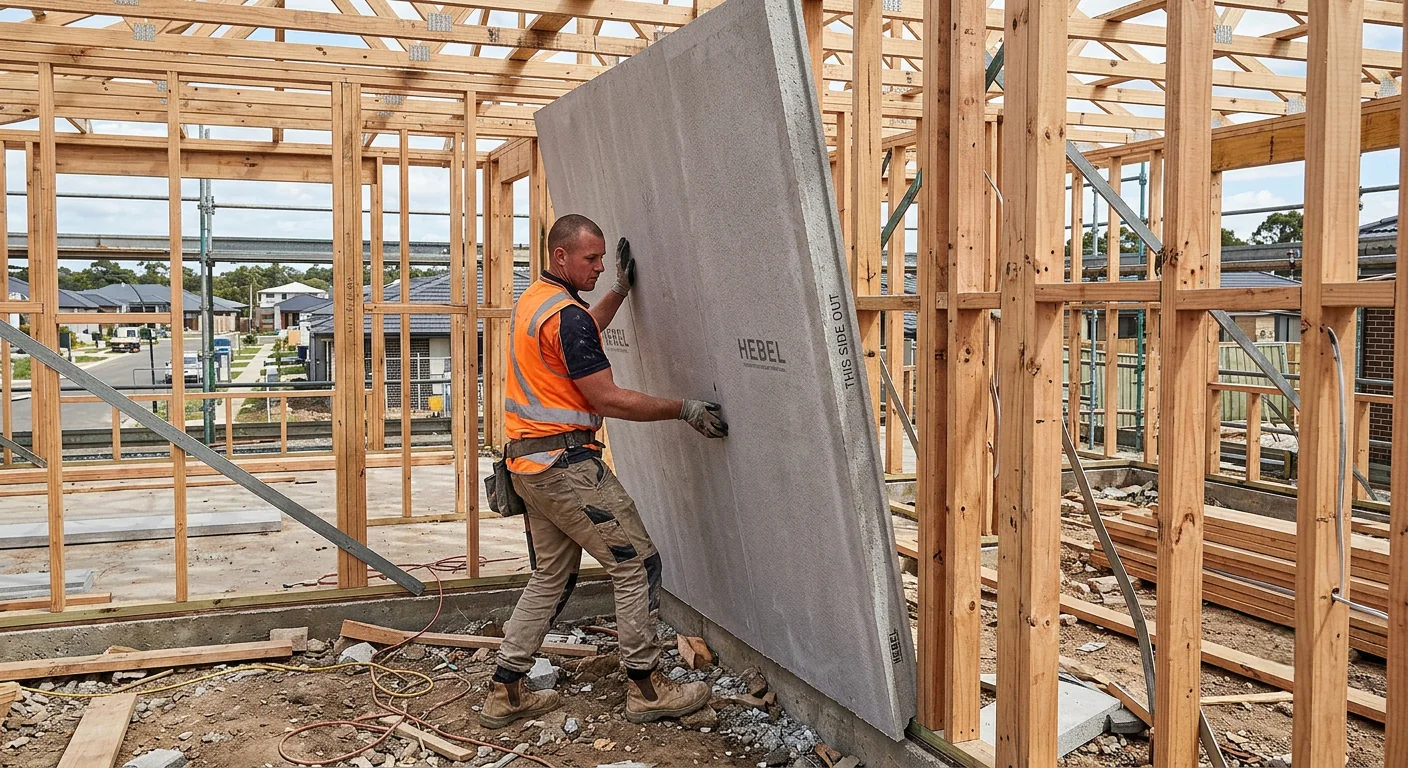
Hebel panels have gone from a niche commercial product to one of the most commonly specced cladding systems across new residential builds in Melbourne's south east, and if you're looking into them for a build, extension or boundary wall, there's a reasonable chance you've already heard the terms hebel power panel, hebel wall panels and hebel installation thrown around without much explanation of how they connect. They're all part of the same system, just describing different parts of the process — the product itself, the broader panel category, and the actual job of getting it onto a wall correctly. Best Rendering Group works with Hebel panels on a weekly basis across residential and commercial projects throughout the south east, and the questions that come up are almost always the same.
The short version is that Hebel panels are an autoclaved aerated concrete product — lightweight, easy to cut on site, and a lot faster to install than traditional masonry, while still carrying solid fire, acoustic and thermal performance. The longer version, and the part that actually determines whether a finished wall lasts twenty years or starts cracking in two, comes down entirely to how the panels are fixed, jointed and finished once they're on the wall. The product does its job. Getting the installation right is where the real skill sits.
These two terms get used almost interchangeably, but there's a useful distinction worth knowing before you start pricing a job.
This is the specific vertical panel product manufactured by CSR Hebel — the actual named system most builders are referring to when they say "Hebel panels" on a set of plans. It's the go-to choice for facades, infill cladding and second-storey additions, and it's what most extension and renovation quotes are pricing when Hebel is specified.
Used more generally, this covers the full range of Hebel panel and block products applied to walls, including PowerPanel for cladding and PowerBlock for load-bearing and party wall applications. If a plan just says "Hebel wall panels" without naming a specific product, it's worth clarifying exactly which system is being specified, since PowerPanel and PowerBlock install differently and price differently too.
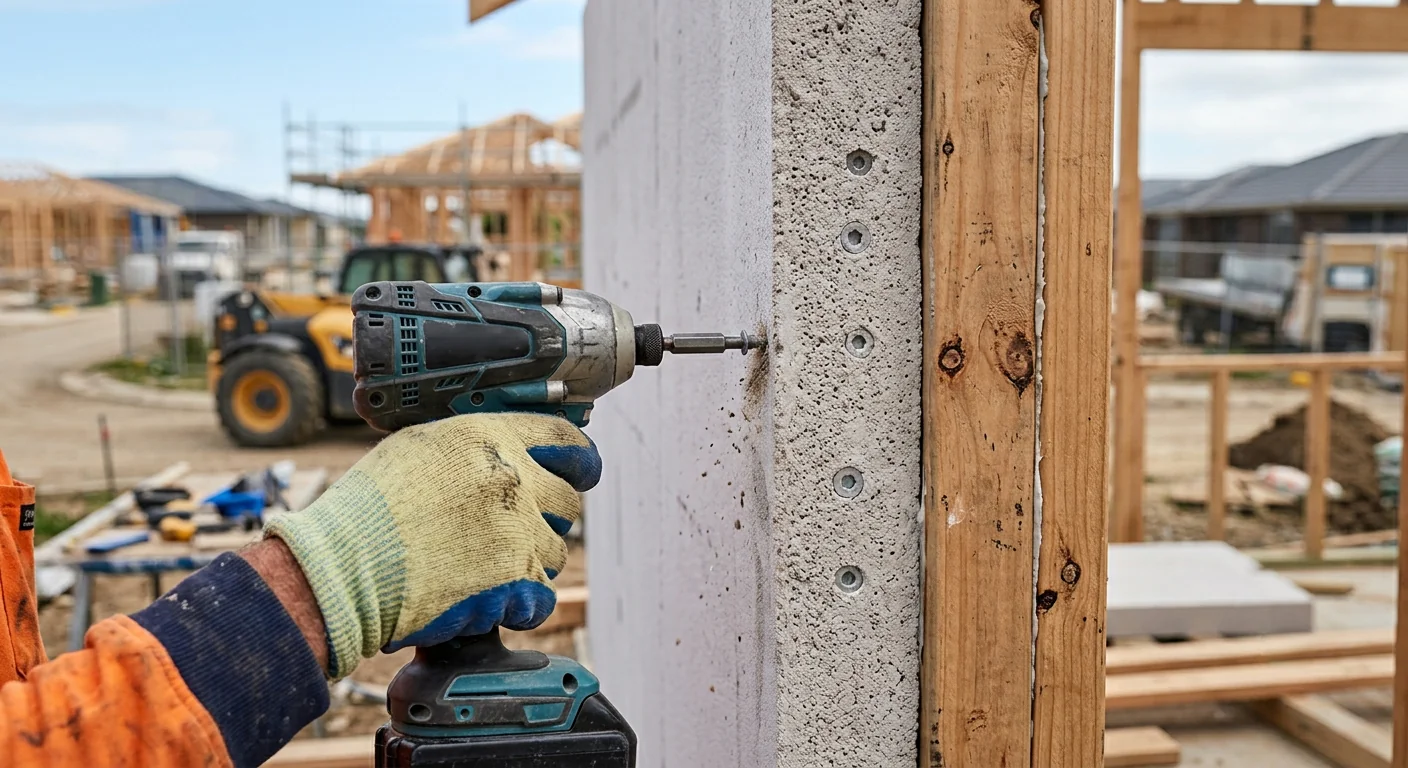
Most of the problems we get called out to fix on Hebel wall panels trace back to the installation stage rather than the product itself — a fixing pattern that skipped a stud, joints that weren't flushed properly before render went on, or panels fixed without allowing for the slight expansion and contraction that comes with Melbourne's shift from wet winters to dry, hot summers. None of that shows up at handover. It shows up eighteen months later as a hairline crack running along a joint line, right where the wall moved and the fixing didn't allow for it.
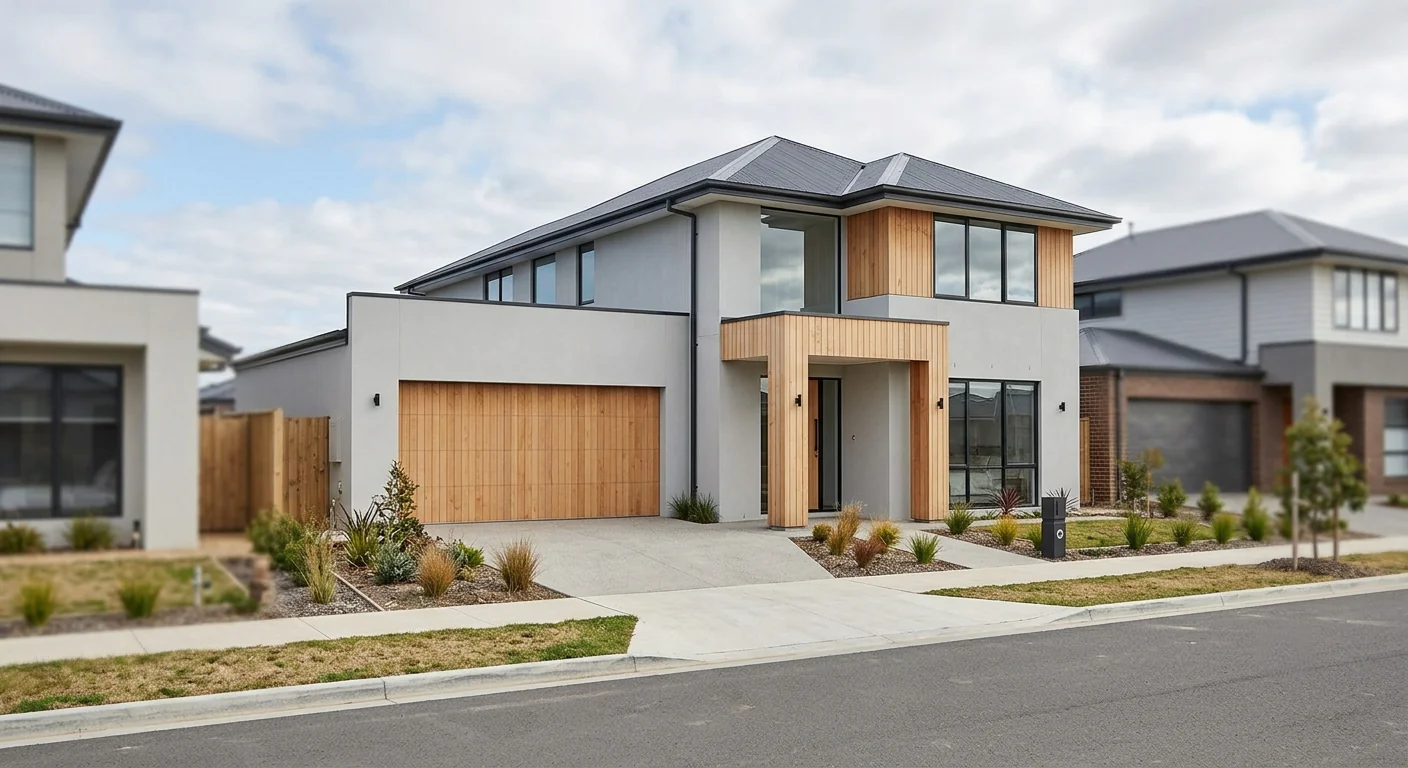
Proper Hebel installation means following the manufacturer's fixing spacing exactly, sealing and flushing every joint before anything else touches the wall, and finishing with a rendering system that's actually compatible with the panel surface rather than a generic coating borrowed from a brick job. This is exactly why Hebel and render work best sitting with the same crew rather than split across separate trades who never actually talk to each other. We see the same pattern consistently on jobs from Berwick through to Officer and Narre Warren — the render finish is usually where an underlying installation shortcut eventually surfaces.
Ask whether the Hebel installers you're considering work to CSR Hebel's current fixing and jointing specifications, not just their own shortcuts.
Hebel panel installation on a boundary wall is different work to a full facade. Ask for examples matching your specific job type.
Confirm the render or coating finish being used is compatible with Hebel's surface, ideally handled by the same team as the install.
Ask what's actually covered under warranty — workmanship, product, or both — and get it in writing before work starts.
Pricing depends on the specific panel system, wall complexity, and how much cutting and detailing is needed around openings. These figures are a general guide only.
What's the difference between Hebel PowerPanel and Hebel PowerBlock?+
Hebel PowerPanel is a vertical panel system, generally quicker to install and most commonly used for facades, infill cladding and second-storey additions where weight on existing footings is a factor. Hebel PowerBlock is a block-format product with more structural capacity, typically specified for load-bearing and party wall applications such as boundary walls between townhouses or duplexes. Both are part of the broader Hebel wall panels range, just suited to different structural roles.
How do I find good Hebel installers near me?+
Look for Hebel installers who can show recent, relevant project photos matching your job type, confirm they work to CSR Hebel's current fixing specifications, and can either handle the render finish themselves or work closely with a render team. Ask about warranty coverage directly rather than assuming it's included, and check they're properly licensed and insured for the scale of the job.
How much does Hebel panel installation cost?+
Installation-only pricing for smaller jobs like granny flats typically starts from around $180 to $260 per square metre, while larger new-build facades and party wall packages run higher due to additional access, cutting and fixing detail. The stat-card breakdown further up this page covers the common project types, but an accurate figure always needs a proper site measure.
Do Hebel wall panels need to be rendered?+
In most residential applications, yes. Hebel panels are designed to be finished with a compatible render or coating system rather than left exposed, both for weatherproofing and appearance. The render layer also protects the joints and fixings underneath from long-term moisture exposure, which matters given how much Melbourne's climate swings between wet winters and dry summers.
Is Hebel installation a DIY-friendly job?+
It's not generally recommended for anyone without trade experience. While the panels themselves are relatively easy to cut and handle, getting the fixing pattern, expansion allowances and joint sealing right requires real familiarity with the system — mistakes here don't show up until well after installation, and by then the fix usually involves stripping back finished work.
Hebel panels are a genuinely good product for the kind of building Melbourne's south east is doing right now — lighter, faster and more forgiving of Victoria's variable soils than traditional masonry, without giving up on fire and acoustic performance. Whether a finished wall looks sharp in ten years or starts hairline cracking in eighteen months comes down almost entirely to whether the crew doing the installation treated the manufacturer's specifications as a genuine standard rather than something to shortcut when it's inconvenient.
Best Rendering Group works directly with builders, developers and homeowners fitting Hebel panels across projects from Cranbourne through to Pakenham and Beaconsfield, handling everything from a single granny flat to full multi-unit party wall packages. With more than a decade of hands-on experience and fully licensed, insured teams on every job — details worth confirming directly before booking — the fixing pattern and jointing never get rushed just to hit a handover date.