
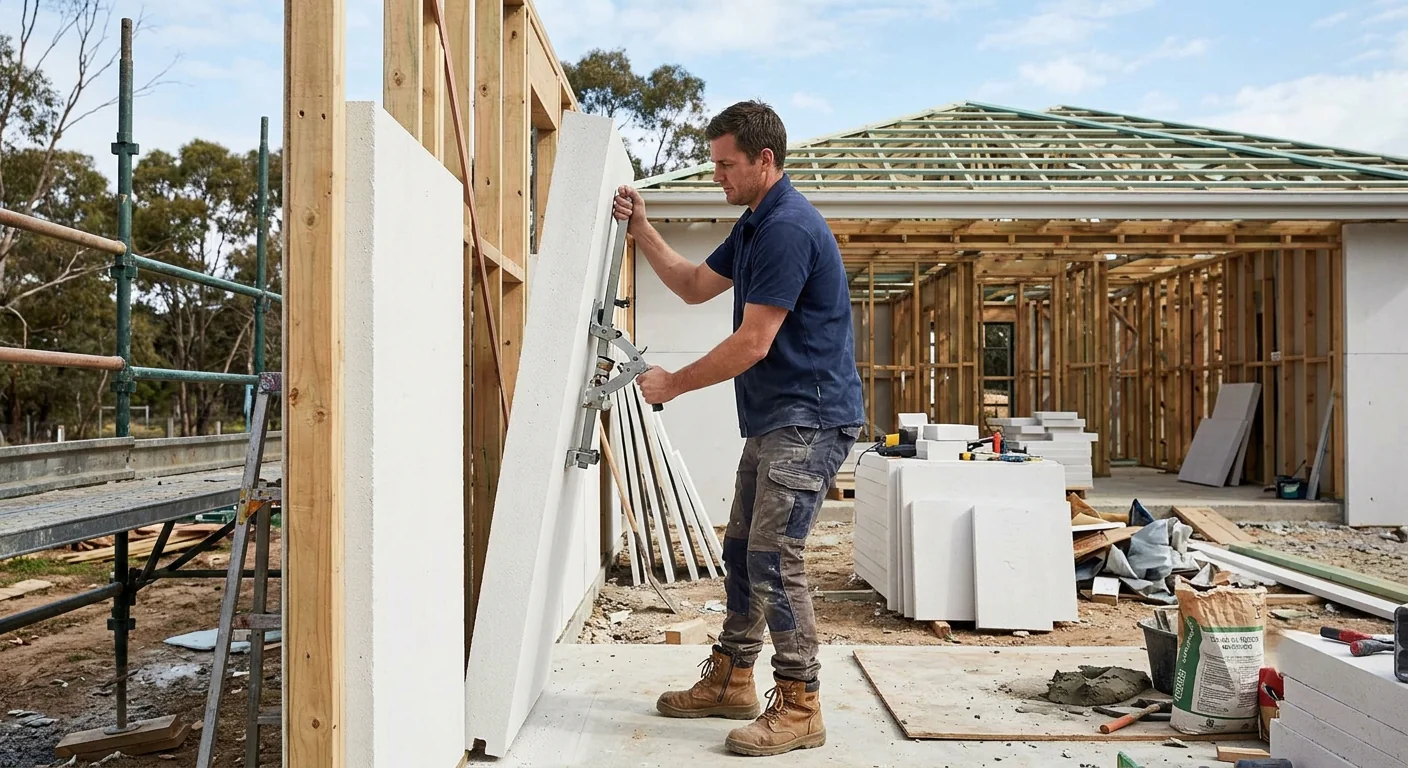
If you're weighing up Hebel Installation Melbourne builders keep recommending over traditional brick, you're not alone — it's become one of the most requested systems for new builds, extensions, and boundary walls across the city's growing suburbs, and for good reason once you understand what it actually offers. Best Rendering Group installs Hebel across residential and commercial projects throughout Melbourne's south east, and this guide covers exactly what homeowners and builders ask us before committing to it.
We'll get into what Hebel actually is, when it makes more sense than brick, the difference between residential and commercial applications, rough cost ranges, and what the installation process looks like from delivery to finished wall. If you've been comparing Hebel against brick veneer for an extension or a new build, this should answer most of what's sitting on your list of questions.
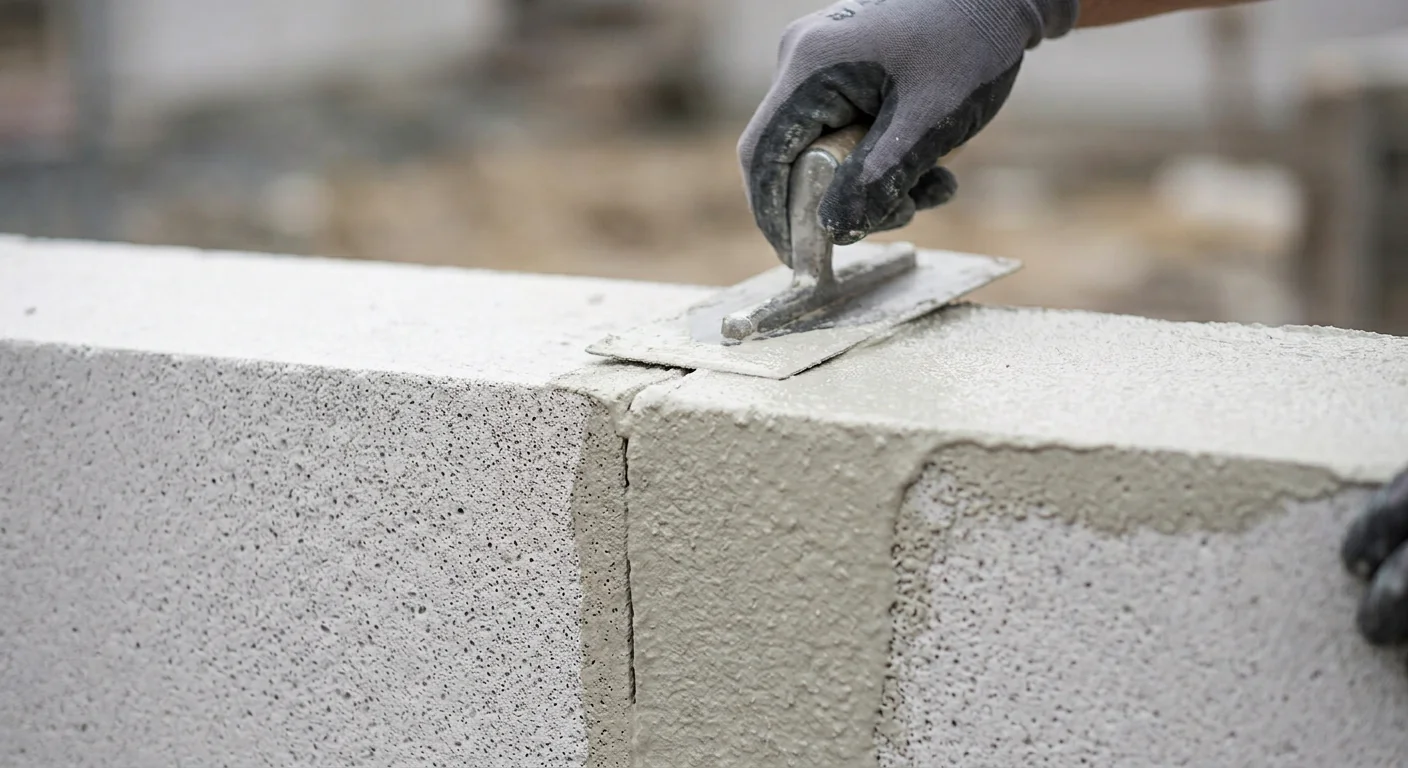
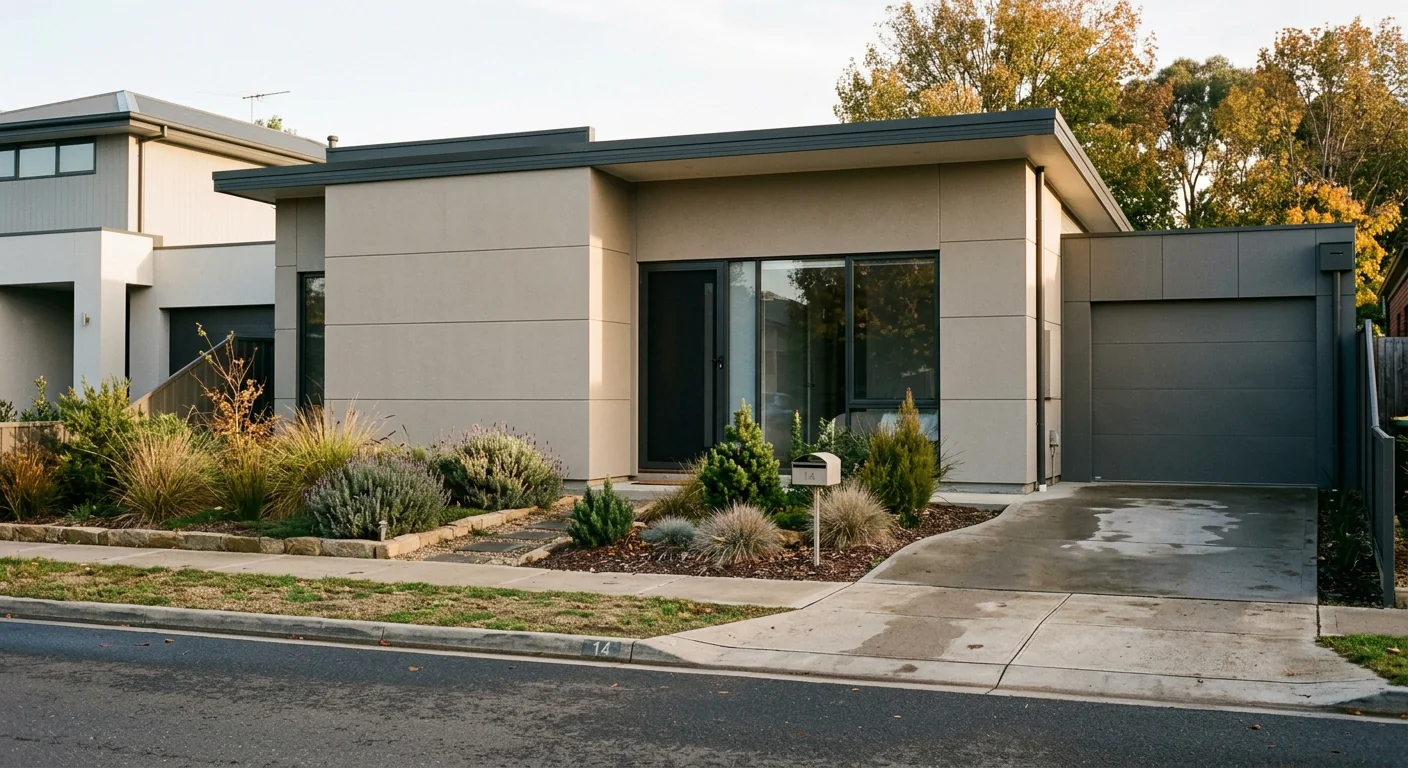
Hebel is a lightweight aerated autoclaved concrete panel — essentially concrete that's been manufactured with tiny air pockets throughout, which makes it a fraction of the weight of traditional masonry while still holding structural and fire performance that brick can't easily match. Panels get fixed directly to a timber or steel frame, then finished with a render-style coating that gives the same clean, contemporary look you'd get from a full render job, just installed in a very different way underneath.
The appeal for Melbourne builds specifically comes down to speed and thermal performance. A Hebel wall goes up in a fraction of the time a bricklayer needs to lay the equivalent brick veneer, which matters a lot when a project's timeline is already tight. It also performs well against Melbourne's temperature swings — the aerated structure gives it useful thermal mass, which is part of why it's become the default choice on so many newer rendering projects across the south east rather than a niche alternative.
Hebel shows up in very different contexts depending on the project, and the scale changes what matters most on site.
This is where most homeowners first come across Hebel — a new extension, a knockdown rebuild, or a second-storey addition where the lighter panel weight reduces load on the existing structure. It's especially common on double storey builds in newer estates around Pakenham and Officer, where developers favour it for both the build speed and the finished look.
On larger jobs — townhouse developments, apartment blocks, retail fit-outs — Hebel's speed advantage compounds fast. Faster wall installation across a multi-unit site translates directly into a shorter overall build program, which is often the deciding factor for developers working to a fixed handover date.
Hebel's fire-rating performance makes it a popular choice for party walls between townhouses and boundary walls in higher-density developments, where fire separation requirements are stricter than a standard single dwelling.
Panels install significantly faster than bricklaying, shortening the overall build program on both residential and commercial jobs.
The aerated structure adds thermal mass, helping regulate indoor temperature through Melbourne's hot summers and cold winters.
A fraction of the weight of brick, which reduces load on footings and framing — especially valuable on upper storey additions.
Strong fire-rating performance and useful acoustic properties make it a common pick for party walls in higher-density builds.
Cost depends on project scale, wall height, and how much finishing coat work is needed once the panels are up. These figures are a starting guide — every project needs a proper on-site quote.
What is Hebel and how is it different from brick?+
Hebel is a lightweight aerated autoclaved concrete panel that's fixed to a frame and finished with a render coating, whereas brick veneer is laid course by course on site. Hebel is significantly lighter, generally faster to install, and offers strong thermal and fire performance compared to standard brick.
How much does Hebel installation cost in Melbourne?+
A single feature or boundary wall typically falls between $3,500 and $8,000, while a full home extension using Hebel panelling generally runs from $15,000 to $35,000 depending on scale. Commercial and multi-unit projects are quoted individually against total wall area and program timeline.
Is Hebel suitable for a single storey home extension?+
Yes, Hebel is commonly used for single storey extensions and is often chosen specifically because the lighter weight reduces load on existing footings compared to matching brick veneer. It also allows for a faster build timeline than traditional masonry.
Does Hebel need to be rendered or finished after installation?+
Yes, Hebel panels are finished with a compatible flexible render coating once installed and jointed, which gives the wall its final appearance and weatherproofing. The finish coat needs to be a system designed for Hebel rather than a standard cement render.
How long does Hebel installation take compared to brick?+
Hebel generally installs significantly faster than bricklaying because large panels cover more wall area per fixing than individual bricks. On a comparable wall, this can shorten the build program by a meaningful margin, which matters most on tighter development timelines.
Is Hebel a good choice for boundary and party walls?+
Yes, Hebel's fire-rating and acoustic performance make it a common choice for boundary walls and party walls in townhouse and multi-residential developments, where fire separation requirements are often stricter than a standard single dwelling.
Hebel rewards a crew that's actually done it before. The panel fixing, jointing, and finish coat are different enough from standard rendering that experience genuinely shows in the final wall — joints that crack within a year almost always trace back to rushed jointing or an incompatible finish coat, not a fault with the material itself. Best Rendering Group has installed Hebel across new builds, extensions, and boundary walls for homeowners, builders, and developers throughout Cranbourne, Carrum Downs, Beaconsfield, and the wider south east, working directly alongside builders and project managers to keep installation on schedule.
If you're planning a project that could use Hebel — whether it's a single extension or a full development — get in touch with our team for a proper site assessment and quote before locking anything in.