
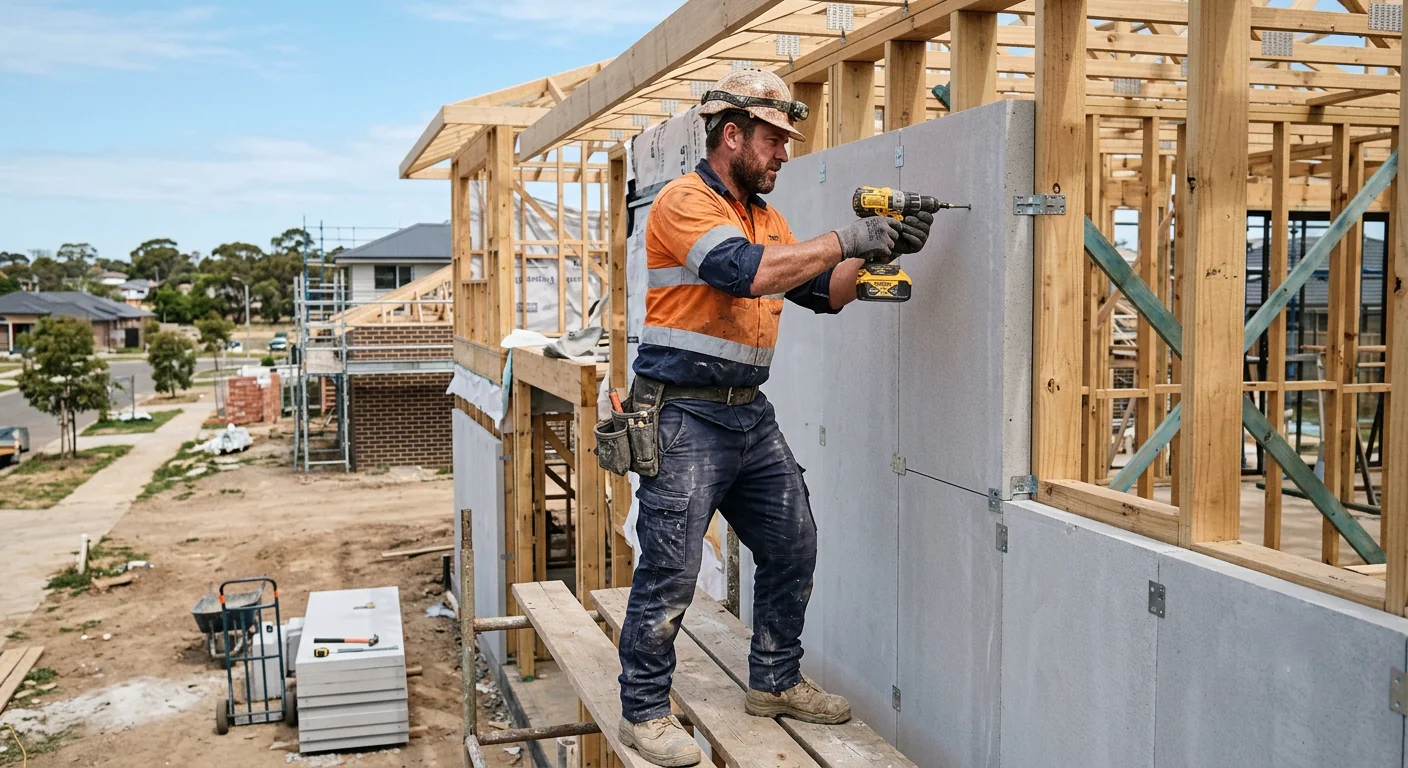
If your build in Hampton Park calls for Hebel — and increasingly, plans across this pocket of the south east do — you've probably already worked out that not every installer treats it the same way. Hebel installation in Hampton Park has picked up fast over the last few years, mostly because it handles Melbourne's wild weather swings better than a lot of alternatives, and because it lets builders move faster without giving up on a solid, rendered finish. Best Rendering Group has been fitting Hebel panel and block systems across this exact stretch of Melbourne for long enough to know exactly where the shortcuts usually get taken.
The material itself is forgiving in a lot of ways — lightweight, quick to cut, decent thermal performance out of the box. But forgiving materials still get installed badly all the time. A panel that's slightly out of level won't necessarily show on day one. It'll show six months later, when a hairline crack opens along a joint after the first proper cold snap, or when render starts to hairline near a corner because the fixing pattern didn't account for movement. Getting Hebel installation right in Hampton Park has less to do with the product itself and a lot more to do with who's actually holding the screw gun.
Walk through any of the newer estates around Hampton Park and you'll see why builders keep reaching for it. Lots here tend to be tighter than the older, established suburbs further out, which means boundary walls and party walls carry a lot of weight in the design — both literally and in terms of compliance. Hebel handles that brief well: it's lighter than masonry, quicker to erect, and carries fire and acoustic ratings that make it a straightforward pick for close-set housing and townhouse developments.
There are a few different Hebel systems in play, and knowing which one applies to your job actually matters for how the Hebel installation gets sequenced.
This is the one you'll see most on facades, infill cladding and second-storey additions. It's a vertical panel system, generally quicker to install than block, and it's what most Hampton Park renovation and extension jobs end up using where weight on existing footings is a concern.
Used more for load-bearing and boundary wall applications — the block format gives a bit more structural grunt where it's needed, particularly on party walls between townhouses or duplex builds, which are common across newer Hampton Park and Officer developments.
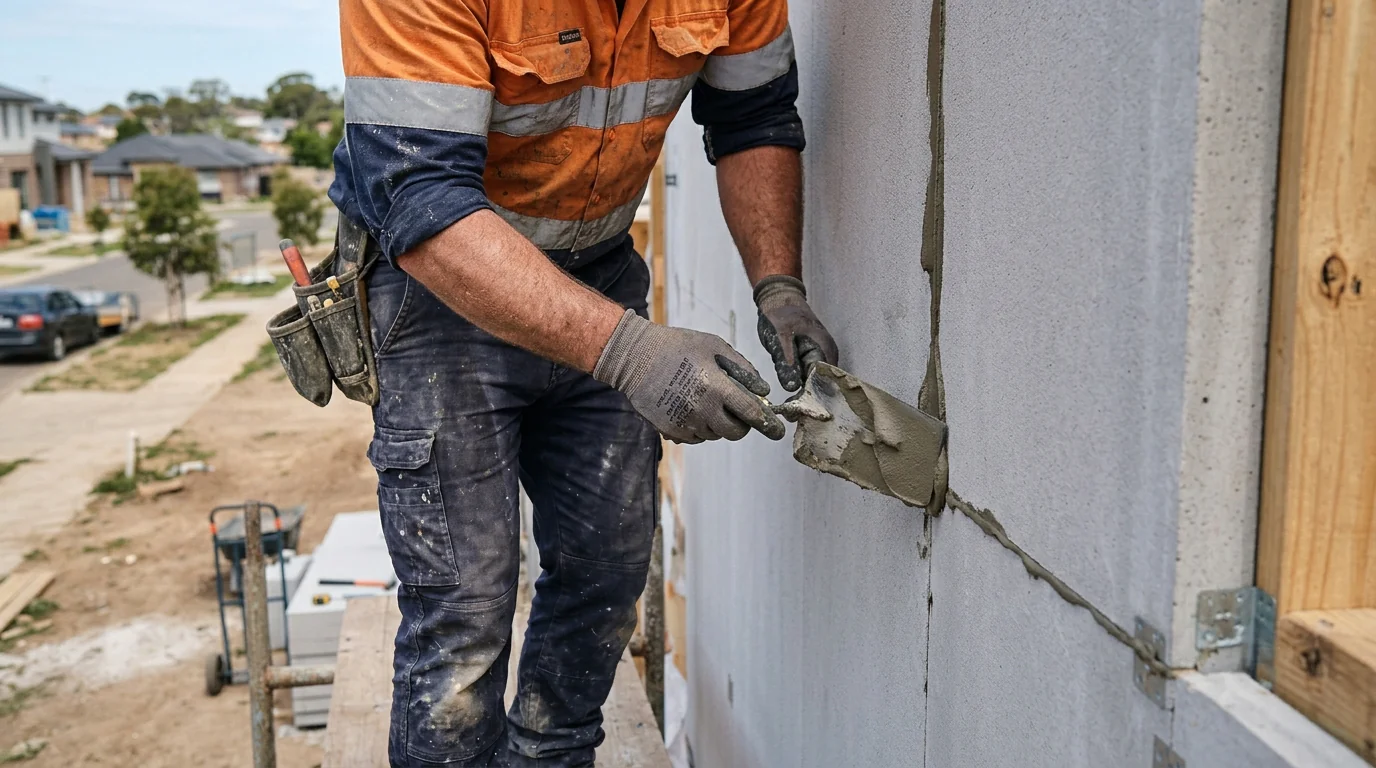
Most of the Hebel problems we get called out to fix in the south east trace back to the same handful of issues: panels fixed without the right expansion allowance, joints that weren't properly flushed before render went on, or a fixing pattern that skipped a stud because it was inconvenient rather than because it was correct. None of that shows up in a final walk-through. It shows up later, usually after the first real stretch of Melbourne weather — a wet winter followed by a dry, hot summer — puts real movement through the wall.
Panels need to be allowed to move slightly at the joints, sealed correctly, and rendered with a system that's actually compatible with Hebel's surface rather than a generic finish borrowed from a brick job. That's a big part of why rendering and Hebel installation tend to sit with the same crew rather than being split between separate trades — the two need to talk to each other. We've seen this play out identically on jobs from Pakenham through to Frankston: the installation looks fine at handover, and the render finish is where the underlying fixing problems eventually surface.
A poorly measured take-off means more offcuts, more joints, and more places for something to go wrong later. Ask how the measure was done before panels are ordered.
Manufacturer fixing specs exist for a reason. A pattern that skips studs to save time is the single most common cause of movement cracking down the track.
Every joint needs to be properly flushed and sealed before a render coat goes anywhere near it. Rushing this step is the fastest way to end up with hairline cracking.
Ask whether the installer works to CSR Hebel's current specifications and whether the finished system is covered under manufacturer warranty terms, not just workmanship.
Pricing shifts a fair bit depending on scope, panel versus block, and how much cutting and detailing the job needs around windows, corners and services. The figures below are a rough guide based on typical installation-only pricing — always worth confirming against an actual site measure before locking anything in.
How much does Hebel installation cost in Hampton Park?+
Pricing depends heavily on the scope — a granny flat or small extension using Hebel PowerPanel typically sits in a different bracket to a full single or double-storey new build. As a rough guide, installation-only pricing for smaller jobs starts from around $180 to $260 per square metre, while larger new-build walling with more corners, penetrations and fixing detail can run higher. The stat-card breakdown further up this page gives a clearer picture, but the only way to get an accurate number is a proper site measure.
How long does Hebel installation take on an average Hampton Park build?+
For a standard single-storey home, Hebel wall installation usually takes somewhere between one and two weeks once the frame is up and ready, depending on how much of the building envelope is Hebel versus other cladding. Boundary and party walls on smaller lots can move faster since there's less cutting around windows and services. Weather plays a part too — a stretch of Melbourne's wet season can push timelines out a few days.
Is Hebel better than brick veneer for an extension?+
Better is doing a lot of work in that question — it depends on what you're optimising for. Hebel is lighter, faster to install, and generally performs well thermally, which suits renovations where the existing footings weren't designed for masonry loads. Brick veneer has its own strengths around long-term low maintenance and a specific look some homeowners want. For most extensions and second-storey additions in Hampton Park, Hebel tends to win on speed and weight, but it's worth talking through both options against your actual site.
Does Hebel cladding need to be rendered?+
In most residential applications, yes — Hebel PowerPanel and PowerBlock are designed to be finished with a rendered coating system rather than left exposed, both for weatherproofing and appearance. The render also plays a genuine structural role in protecting the joints and fixings underneath from long-term moisture exposure, which matters given how much Melbourne's weather swings between wet winters and dry summers.
Can Hebel be installed during winter or wet weather?+
It can, though there's more care involved. Hebel panels can absorb moisture if they're left exposed and unsealed for too long, so installers working through a wet stretch need to stay on top of covering stacked panels and getting joints sealed and flushed promptly rather than leaving bare panel exposed for weeks. It's manageable — plenty of Hampton Park builds run through winter — it just needs a crew that isn't cutting corners on sequencing.
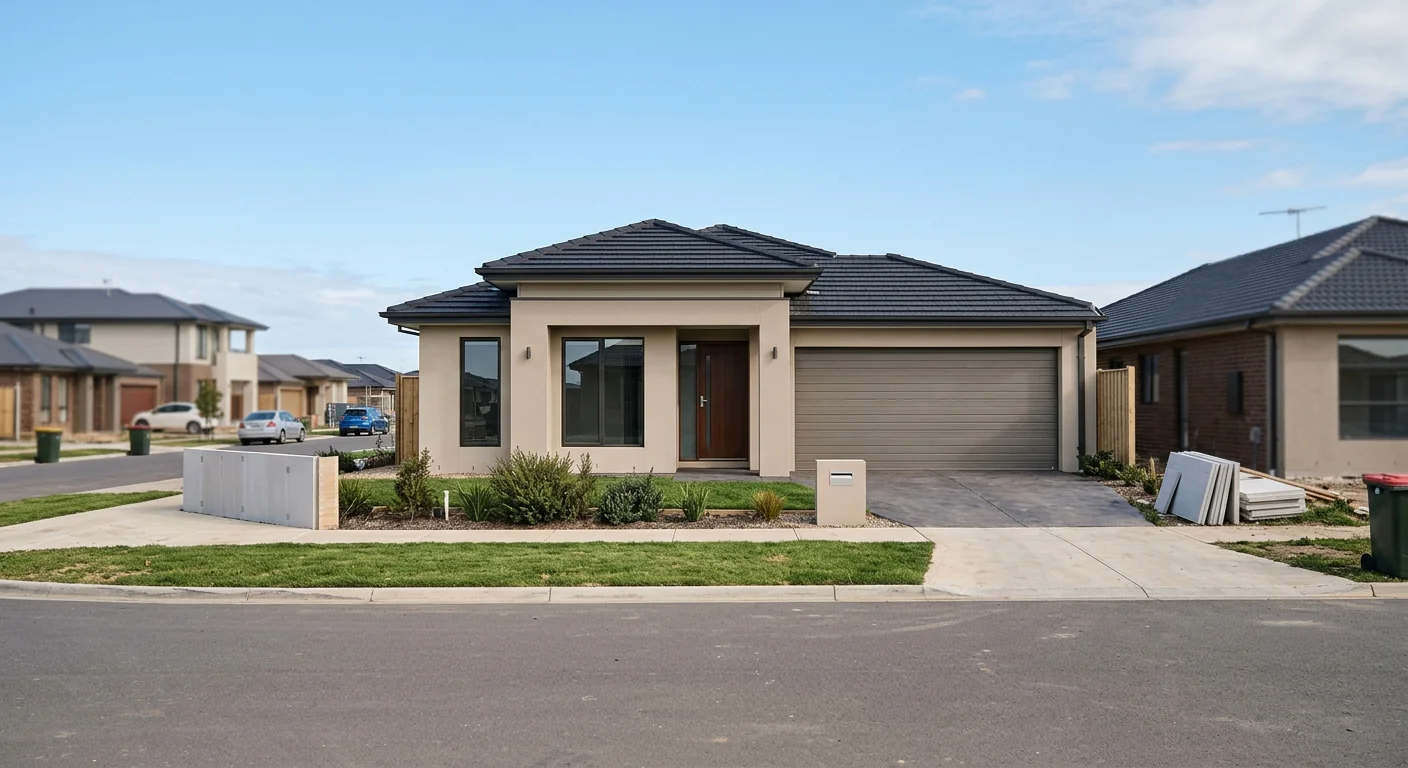
If there's one thing worth taking from all of this, it's that Hebel installation in Hampton Park is one of those trades where the finished product hides the process. A wall can look fine in daylight and still be uneven enough to bother you the moment the lights go on at night, or crack quietly along a joint eighteen months down the track. The panels themselves are a good, proven system — the outcome really comes down to whether the crew fixing them treats the manufacturer's specifications as the minimum standard or as something to work around when it's inconvenient.
Best Rendering Group works directly with builders, developers, architects and project managers across Melbourne's south east, from weatherboard renovations through to multi-unit developments, and has spent more than a decade fixing, rendering and finishing Hebel systems across projects ranging from granny flats to full commercial fit-outs — figures worth confirming against current licensing and insurance documentation before you sign off on any quote. Whether it's a straightforward extension or a full boundary wall package, getting the fixing and jointing right the first time is what actually determines how the wall performs against Melbourne's climate over the next twenty years, not just how it looks at handover.