
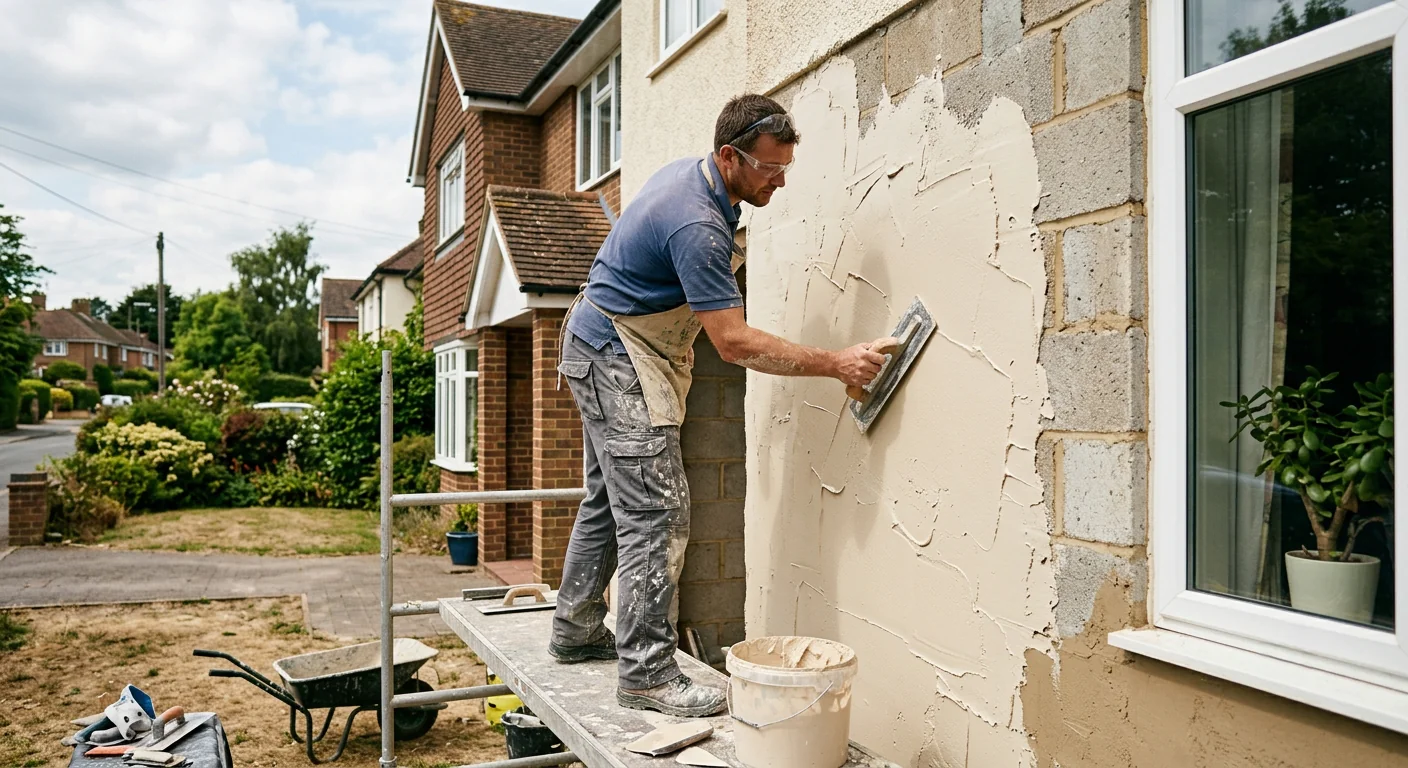
Exterior wall plaster does two jobs at once that people rarely think about separately — it protects the structure underneath from Melbourne's weather, and it's the single biggest visual element of how a home reads from the street. Get the finish type wrong for the wall or the climate, and you're either looking at a facade that needs recoating far sooner than it should, or a wall paint exterior job that never quite looks even no matter how many coats go on. Best Rendering Group works with exterior wall plaster finishes across new builds and renovations throughout the south east, and the finish choice made at the start of a job quietly determines a lot of what happens to it over the following decade.
There's a distinction worth making early: exterior wall plaster and exterior wall paint are two separate layers doing two separate jobs, even though they end up looking like one continuous surface. The plaster provides the texture, the weatherproofing base and most of the structural crack resistance. The paint sitting on top of it mainly protects colour and adds a further layer of UV and moisture resistance. Treating them as one decision, rather than two connected ones, is where a lot of exterior finishing goes wrong.
There isn't just one look available for exterior wall plaster, and the right choice depends on the style of the home as much as the substrate underneath.
A clean, flat, contemporary surface popular on newer builds across the south east. It shows off sharp lines and clean colour blocking well, though it's also less forgiving of surface imperfections than a textured finish.
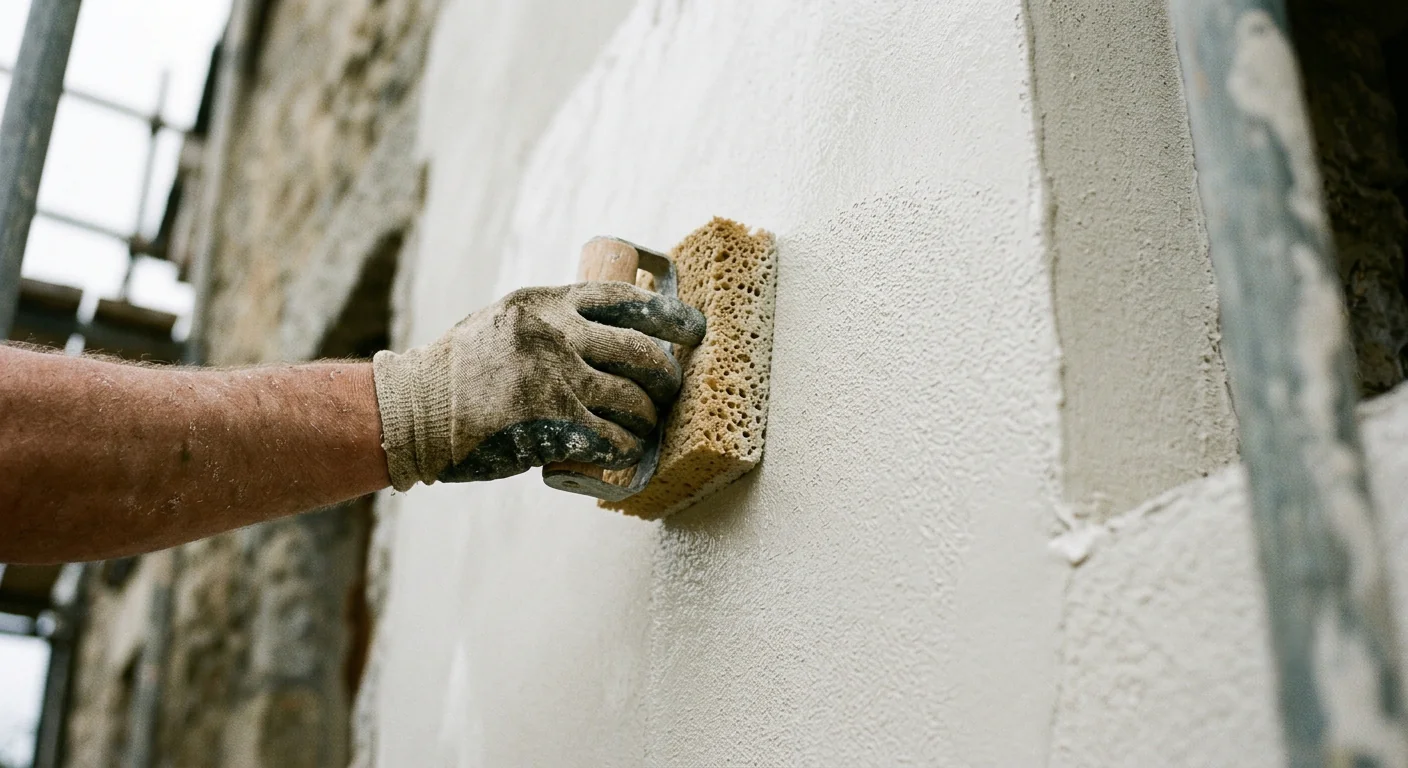
A fine, even texture worked into the surface with a sponge float while the plaster is still workable. This is one of the most common plaster finishes for exterior walls in this part of Melbourne, since the texture hides minor surface variation and reads as slightly more traditional than a smooth set.
A coarser, flicked-on texture that gives real depth and shadow-play across the wall. It's a heavier-duty finish often used on boundary walls and larger commercial facades where a more rugged, textured look suits the building.
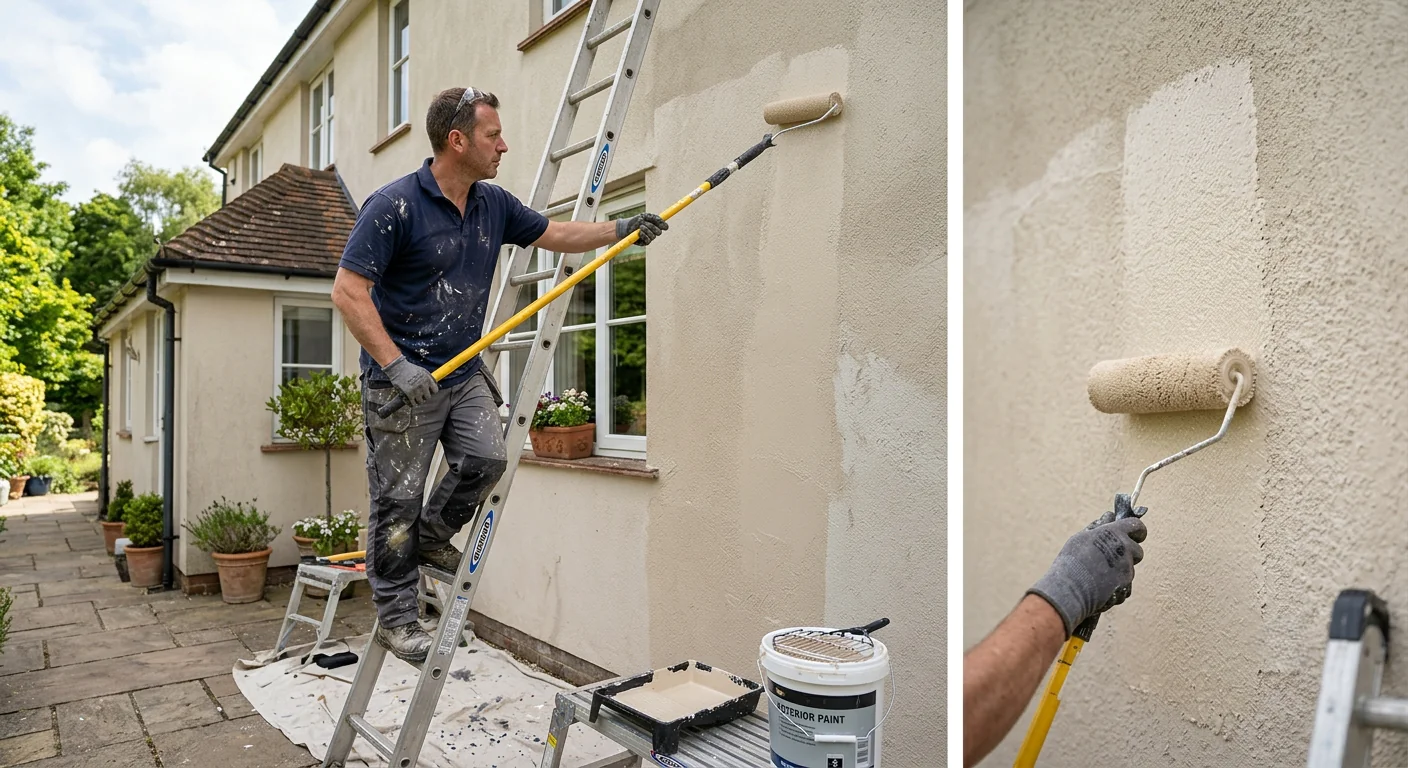
Not every wall paint exterior product is actually suited to a plastered surface, even though most tins on the hardware shelf are labelled for outdoor use. Exterior wall plaster needs a breathable, flexible, UV-stable paint that can move slightly with the substrate and let moisture escape rather than trap it behind a film. This matters more in Melbourne than a lot of places, since the swing between a wet winter and a hot, dry summer puts real thermal movement through a facade every single year.
Painting exterior plaster walls also needs proper timing — fresh plaster generally wants around four weeks minimum to dry out fully before a full-strength exterior topcoat goes on, with a diluted sealer or mist coat sometimes used sooner to even out the surface's porosity. This is exactly why exterior plaster and rendering work best coordinated as one process rather than handed off blind between separate trades. We see the same handful of premature paint failures repeatedly on jobs from Frankston through to Carrum Downs and Officer, almost always traced back to painting too soon or using an interior-grade product outside where it was never designed to handle direct sun and rain. Getting the base rendering and plaster right underneath the paint remains the part that actually determines how long the whole system lasts.
Brick, Hebel, fibre cement and concrete block all need slightly different base coat and priming approaches before plastering begins.
Rushing paint onto plaster that hasn't fully dried is one of the most common causes of premature peeling and bubbling on facades.
A smooth set on a large, sun-exposed wall shows every imperfection. A textured finish is often the more forgiving, practical choice.
Confirm the paint being used is genuinely exterior-grade and flexible enough to move with the plaster underneath it.
Pricing depends on the finish chosen, wall area, and how much surface prep the existing substrate needs. These figures are a general guide only.
What's the best plaster finish for exterior walls in Melbourne?+
There isn't a single universal answer, since it depends on the building style and how much sun exposure the wall gets. Textured or sponge finishes tend to be the most practical all-rounder across the south east, since they hide minor surface variation and hold up well to Melbourne's UV exposure and seasonal thermal movement. Smooth set finishes look sharp on contemporary builds but show imperfections more readily, while spatterdash suits boundary walls and larger commercial facades wanting a heavier, textured look.
How long should exterior wall plaster dry before painting?+
Most exterior plaster systems need a minimum of around four weeks to dry sufficiently before a full-strength topcoat, though this varies with plaster thickness, weather and ventilation around the wall. Painting exterior plaster walls too soon is one of the leading causes of premature bubbling and peeling, so it's worth resisting the urge to rush this step even when the rest of the build is on a tight schedule.
Does exterior wall plaster always need to be painted?+
Not always, but it's the norm for most residential applications. Some pre-coloured render and plaster systems are designed to be left unpainted, with the colour mixed directly into the finish coat. Paint adds an extra layer of UV and moisture protection and gives more flexibility to change colour down the track, which is why most homes still opt for a painted finish over the plaster.
What's the difference between exterior wall plaster and rendering?+
The terms are often used interchangeably in everyday conversation, and there's genuine overlap. Broadly, rendering usually refers to the full coated system applied to an exterior wall surface, including base and finish coats, while plaster more traditionally referred to a similar cement-based product used both indoors and out. In practice, most exterior wall plaster jobs today are effectively a rendering system, just described with the older, more familiar term.
Can damaged exterior wall plaster be repaired instead of fully redone?+
Small areas of cracking, chipping or surface damage can usually be patched and blended into the surrounding finish without redoing the whole wall, provided the underlying substrate is still sound. Widespread cracking, hollow-sounding sections when tapped, or plaster that's failing to bond to the wall generally points to a bigger problem worth having assessed before deciding between a repair and a full recoat.
Exterior wall plaster is doing more work than most people give it credit for — holding colour, resisting weather, and giving a facade its whole character, all while sitting under a layer of paint that gets most of the visual credit. Getting the finish type right for your home, giving the plaster genuine time to dry before painting, and choosing a paint that's actually built for exterior plaster rather than just labelled for outdoor use are the three decisions that quietly determine whether a facade still looks sharp in a decade or needs attention again in three years.
Best Rendering Group applies exterior wall plaster and rendering finishes across new builds, renovations and commercial developments throughout Melbourne's south east, working directly with builders, developers and homeowners from Cranbourne through to Dandenong and Beaconsfield. With more than a decade of hands-on trade experience and fully licensed, insured teams on every job — details worth confirming directly before booking — the drying time between coats never gets rushed just to hit a handover date.