
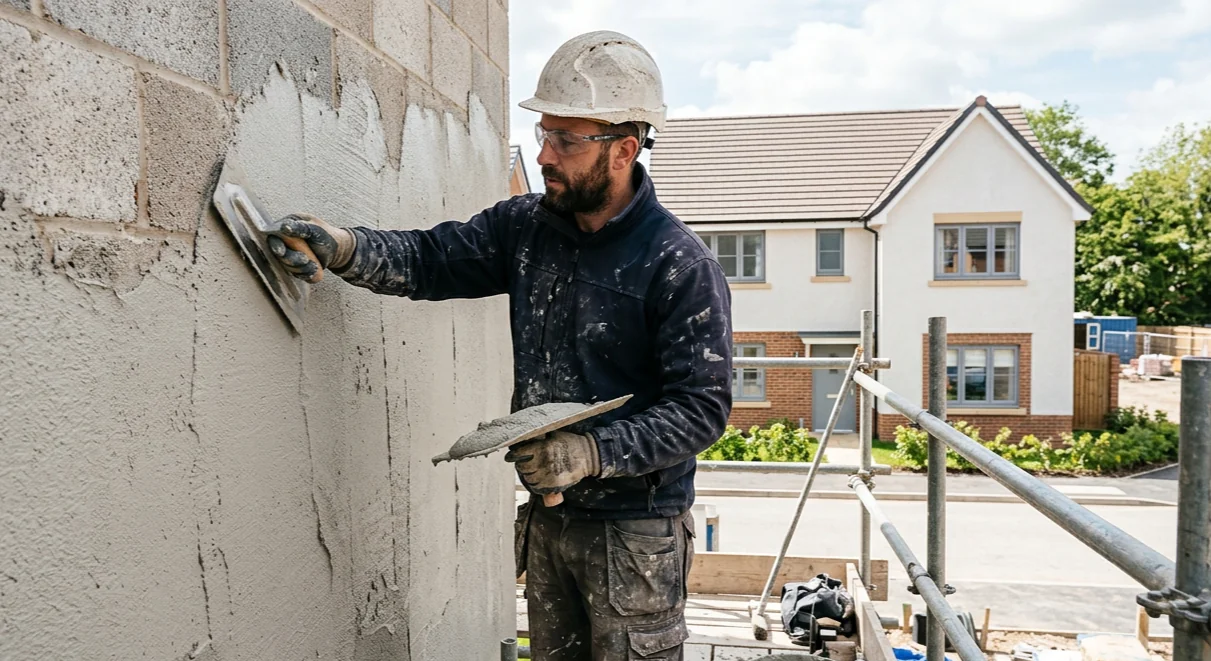
Acrylic render coatings in Pakenham get specified on more new builds than almost any other finish right now, and once you understand what's actually going on under that smooth, coloured surface, it's not hard to see why. It's flexible, comes in a huge range of colours and textures, goes on faster than a traditional cement render, and copes reasonably well with the kind of ground movement that's common across this side of Melbourne's growth corridor. Best Rendering Group coats new facades and re-coats tired old render right across Pakenham most weeks, and the same handful of questions come up on almost every job.
The thing worth understanding upfront is that acrylic render isn't a structural product — it's a decorative and protective coating that sits over a base coat, which sits over the wall's actual substrate, whether that's brick, Hebel, fibre cement or a rendered masonry surface. Each of those layers has to be right for the finish to last. A lovely, even acrylic topcoat over a rushed or under-cured base coat will crack, and it'll usually crack in the first year or two rather than gracefully wearing in over a decade the way a well-applied system should.
Acrylic render is a polymer-based coating applied over a cement or polymer-modified base coat, giving you flexibility that traditional sand-and-cement render simply doesn't have. That flexibility matters more than people realise — new estates across Pakenham are built on a mix of soil types that move seasonally, and a rigid finish over that kind of movement is exactly what produces the fine cracking you see on older, straight cement-rendered homes a few years in.
There are a few finish categories worth knowing, since builders and homeowners often use the terms loosely.
A smooth or lightly textured finish, the most common choice for new-build facades and feature walls, available in an enormous colour range through most major manufacturers.
A coarser, textured application that hides minor surface imperfections better than a smooth finish and suits larger wall areas or homes wanting a more traditional look.
A higher-build system with added flexibility and impact resistance, generally specified for commercial builds or high-traffic boundary walls where knocks are more likely.
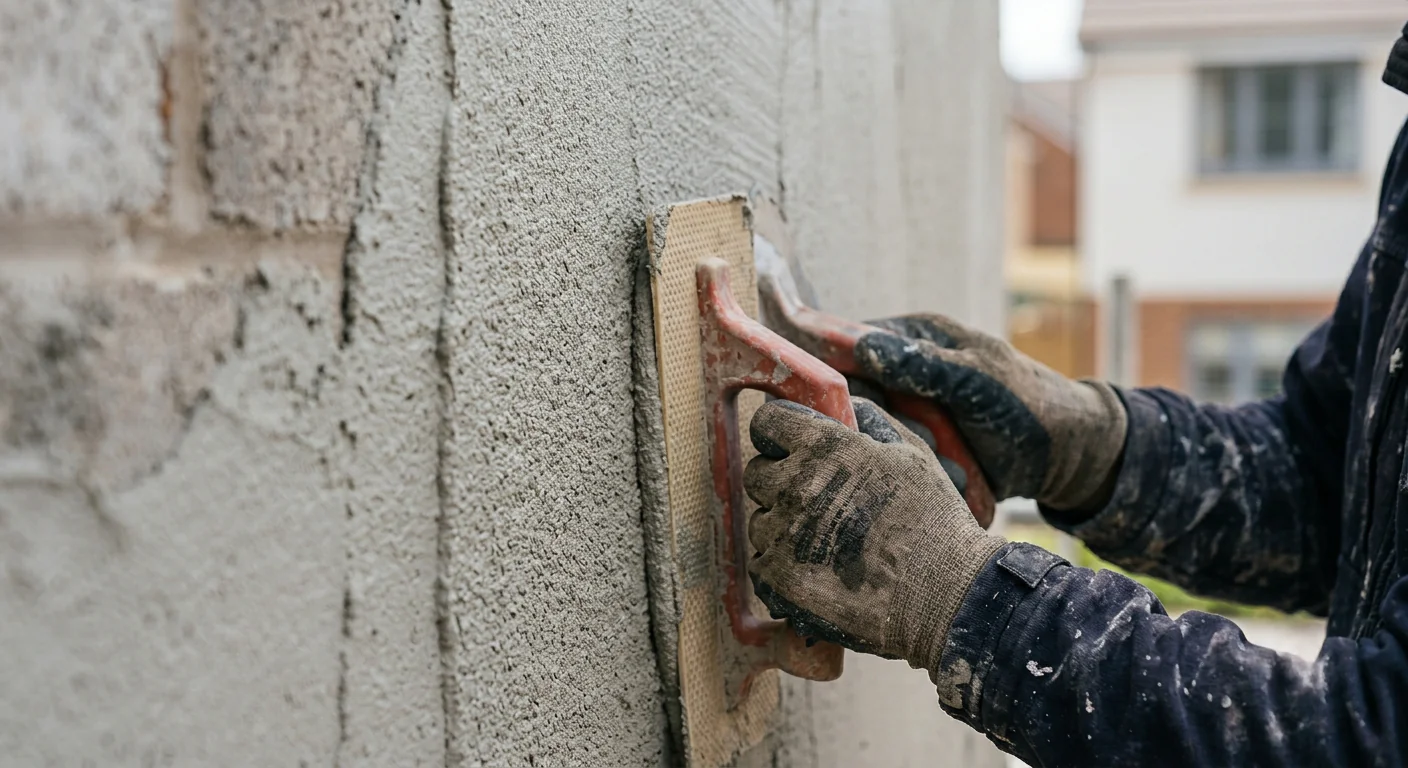
Most premature acrylic render failures come down to one of three things: a base coat that wasn't cured long enough before the topcoat went on, a substrate that wasn't properly primed or keyed first, or a topcoat applied too thin in an effort to save material. None of those show up on handover day. They show up during the first proper Pakenham summer, when the coating cops direct UV and heat exposure and any weak spot in the system starts to hairline crack or bubble.
Melbourne's climate is genuinely tough on exterior coatings — wet, cool winters followed by hot, dry summers put real thermal cycling through a wall, and Pakenham's newer developments cop full sun exposure on facades with very little established tree cover to soften it. This is exactly why rendering the base coat correctly matters as much as the topcoat itself, and why Best Rendering Group always allows proper cure time between coats rather than rushing to meet a handover date. We see the same early cracking pattern on jobs from Officer through to Beaconsfield where a base coat was recoated too soon.
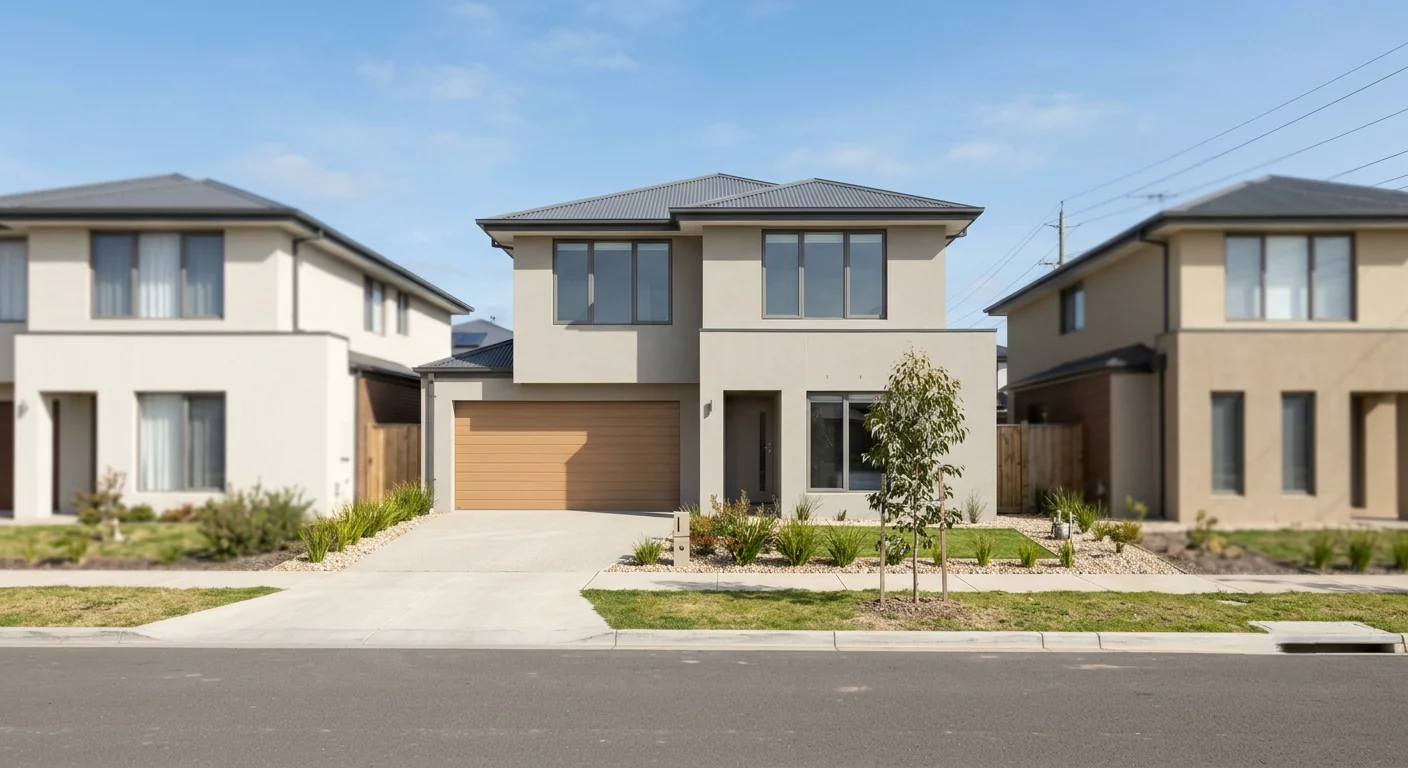
The base coat needs adequate time to cure before the acrylic topcoat goes on. Rushing this step is the single biggest cause of early cracking.
Different substrates — brick, Hebel, fibre cement — need different primers. Skipping or generalising this step affects long-term bond.
Ask what film thickness is being applied. A topcoat spread too thin to stretch material further won't hold colour or coverage the way it should.
Reputable acrylic render systems come with manufacturer warranties when installed to spec. Confirm this is genuinely in place, not just implied.
Cost depends on wall area, substrate condition, and whether it's a fresh coat over new base render or a re-coat over existing, weathered render. These figures are a general guide only.
How much does acrylic render coating cost in Pakenham?+
Pricing depends on wall area, the condition of the substrate, and whether it's a fresh coat over new base render or a re-coat over existing, weathered render. As a general guide, a standard single-storey facade with a fresh acrylic topcoat sits from around $40 to $60 per square metre, while re-coats and feature textures run higher due to the added prep work. The stat-card breakdown further up this page covers the common scenarios, but an accurate number always needs a site assessment.
How long does acrylic render coating take to dry and cure?+
The topcoat is generally touch-dry within a few hours in good weather, but full cure to its final hardness typically takes around two to four weeks. During that window it's still building strength, so it pays to avoid pressure-washing or heavy contact with the surface until it's had proper time to cure fully.
Is acrylic render better than cement render?+
They serve slightly different purposes. Acrylic render offers more flexibility, a broader colour range, and generally faster application, which suits the movement-prone soils common across newer Pakenham estates. Traditional cement render is more rigid and can be a better fit for certain heritage or masonry applications. For most new residential builds and re-coats in this area, acrylic tends to be the more practical choice.
Can acrylic render be applied over existing painted or rendered walls?+
Yes, in most cases, provided the existing surface is sound, clean and properly primed for the new coating. Loose, flaking or unstable existing render needs to be repaired or removed first — coating directly over a failing surface just carries the same problem forward under a fresh colour.
How often does acrylic render need to be recoated?+
A well-applied acrylic system typically holds its colour and finish well for ten to fifteen years before a full re-coat is needed, though sun-exposed facades can fade a little sooner than shaded or south-facing walls. Regular gentle cleaning helps extend that life and keeps the finish looking closer to new for longer.
Acrylic render coatings are a genuinely good fit for Pakenham's newer builds and growth-corridor housing, and there's nothing wrong with the product itself. What actually determines whether a facade looks sharp in ten years or is showing hairline cracks in eighteen months comes down entirely to what happens underneath the colour — the base coat, the priming, the cure time nobody sees once the scaffolding comes down. That's the part worth asking about before you sign off on any quote, not just the colour swatch.
Best Rendering Group works directly with builders, developers and homeowners across new-build estates and established streets from Pakenham through to Berwick and Carrum Downs, applying acrylic and cement-based render systems on everything from single facades to full commercial developments. With more than a decade of hands-on experience and fully licensed, insured teams on every job — details worth confirming directly before booking — the base coat and cure schedule never get rushed just to hit a handover date.