
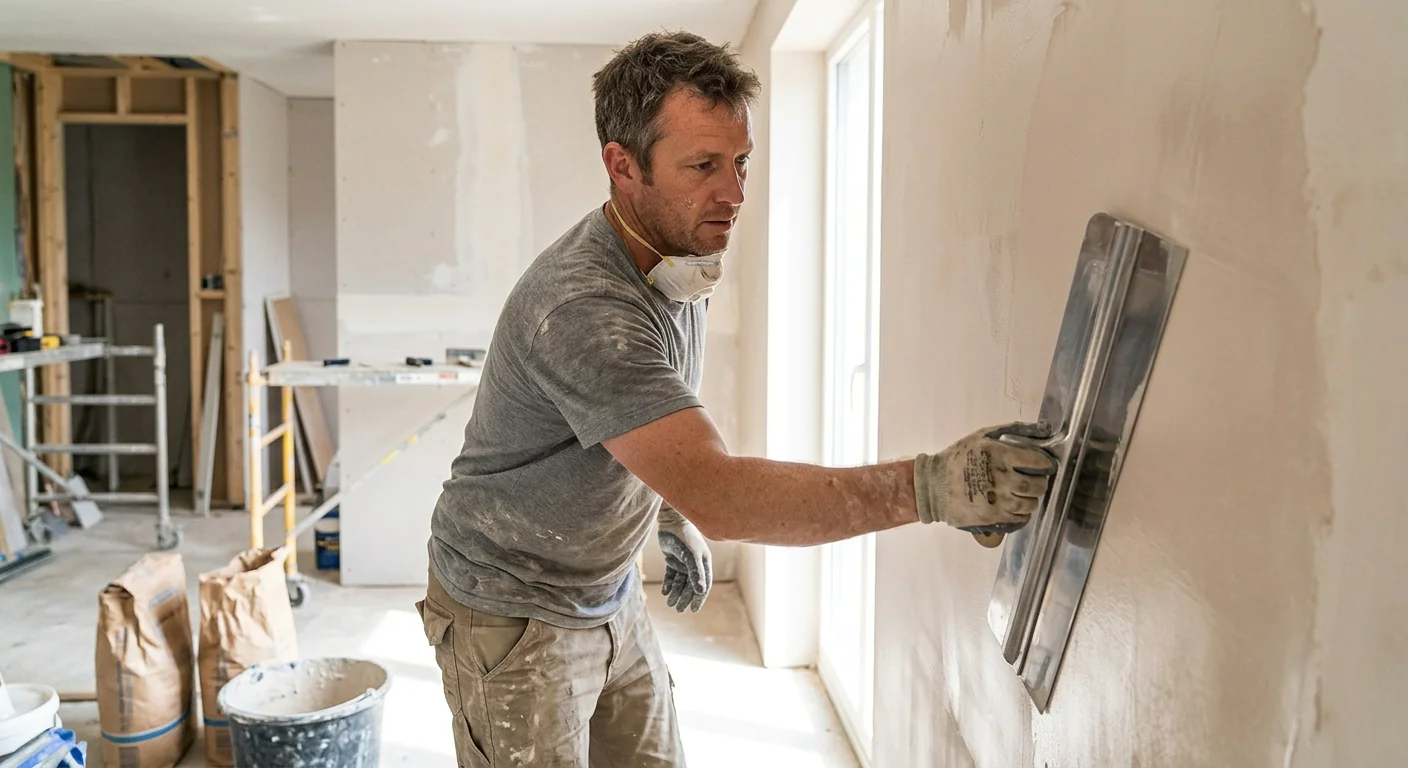
People searching for best plastering tend to be asking one of two questions, even if they've only typed the one search term. Either they want to know what actually separates a genuinely good plastering job from an average one, or they've already had the walls done and now they're standing there wondering what happens next — specifically, what's the best paint for plaster, and is there a wrong way to go about painting over a freshly plastered wall. Both questions are worth answering properly, because getting either one wrong shows up on the wall for years. Best Rendering Group plasters new builds and renovations across Melbourne's south east, and the finish underneath the paint always matters more than people expect.
Here's the part that catches a lot of people out: even the best finishing plaster, applied perfectly, can be ruined by the wrong paint choice straight afterward. Fresh plaster is porous, slightly alkaline, and still releasing moisture as it cures — paint it with the wrong product too early, or with a finish that's too glossy, and every trowel mark and minor imperfection that was invisible under natural light suddenly becomes the first thing anyone notices. Good plastering and good paint choice aren't two separate conversations. They're one continuous process.
"Best" is subjective right up until you're standing in a room with the lights on at night, at which point it becomes very objective very quickly. A handful of technical details separate a genuinely flat, consistent finish from one that just looks fine in daylight.
The base coat does the heavy lifting — building up the surface and correcting any unevenness in the wall underneath. The finishing plaster is the final, thin skim coat that gives the wall its smooth, paint-ready surface. Skipping or rushing the finishing coat is one of the most common reasons a plastered wall looks slightly rippled once it's painted.
A genuinely flat finish comes from consistent trowel pressure and the right number of passes, not from one thick coat slapped on and smoothed over. Experienced plasterers work in a deliberate sequence, letting each pass firm up slightly before the next, which is exactly the part that's near impossible to rush without it showing.
The real test of any plastering job isn't how it looks under an overhead light — it's how it looks under raking light from a side window or a downlight close to the wall. That low-angle light shows every ripple, trowel mark and high spot a straight-on view would hide completely.
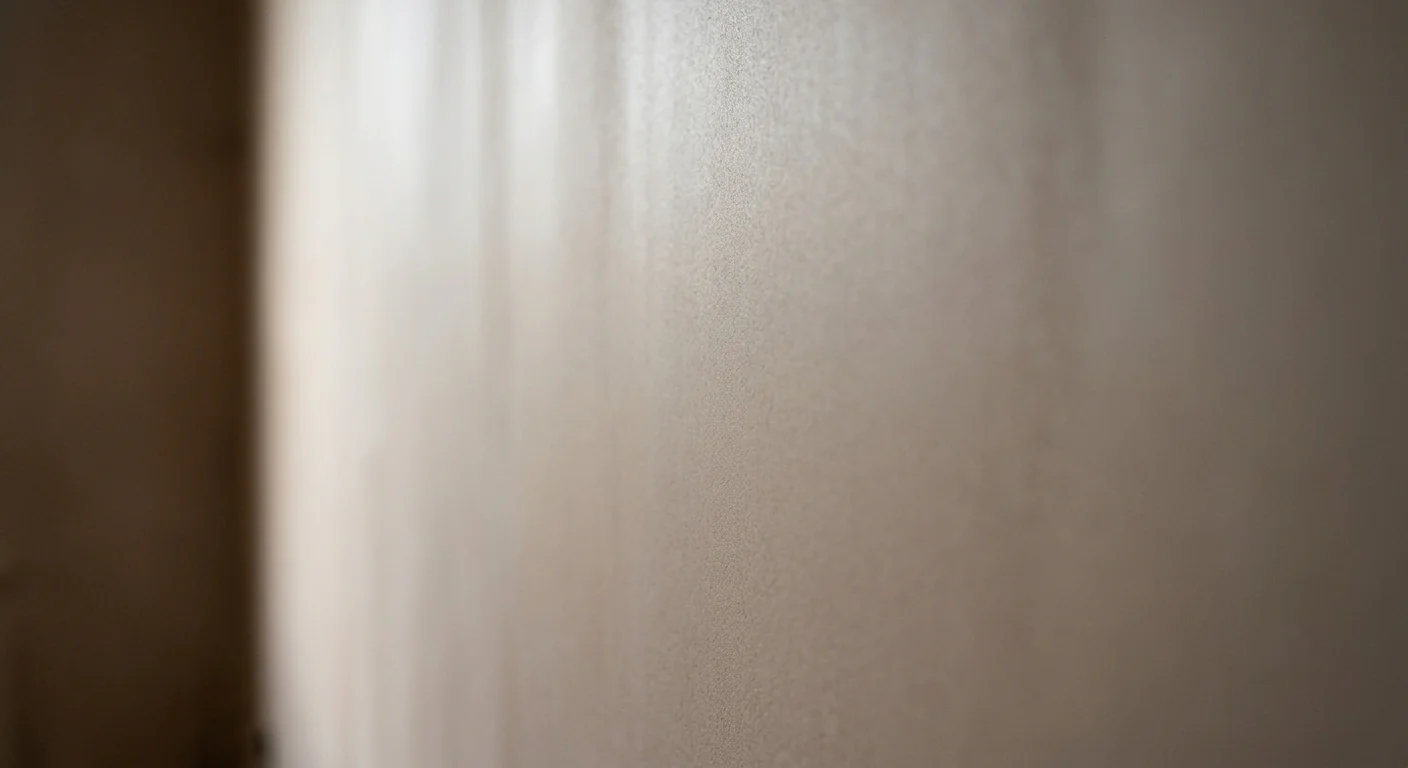
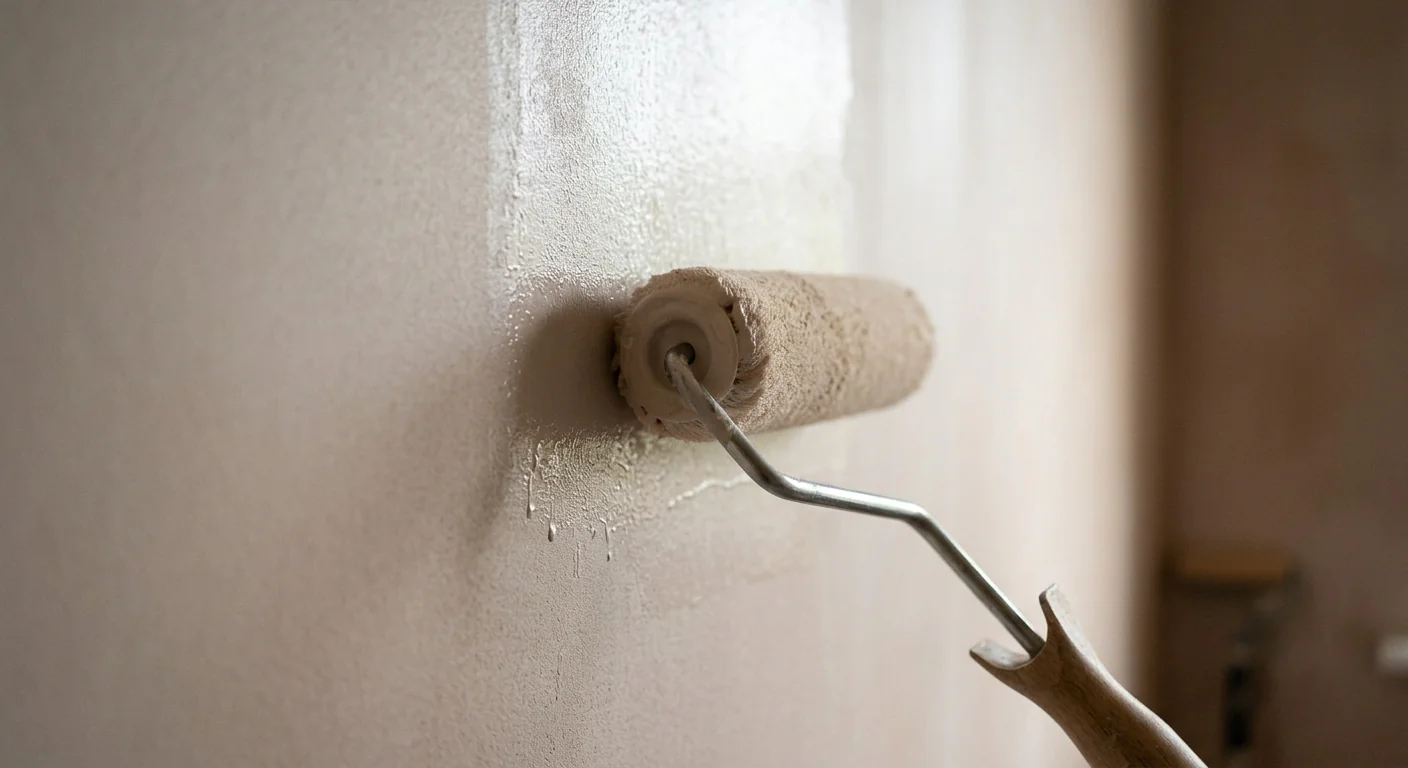
New plaster needs to breathe as it cures, which is why the best paint for plaster is almost always a breathable, water-based formula rather than an oil-based or heavily sealed product. Skipping straight to a full-strength topcoat on brand new plaster is one of the most common mistakes — the plaster is still porous and will drink the paint unevenly, leaving patchy, flashed-looking results. A diluted mist coat first, followed by the proper finish coats once that's dry, gives a far more even, consistent result and is genuinely the best plaster paint approach for anything freshly finished.
On the question of best paint finish for plaster walls, low-sheen or matte finishes are almost always the safer choice, particularly for a first paint job on new plaster. Higher-gloss and satin finishes reflect more light across the surface, which draws attention to any minor trowel marks or slight unevenness that a flatter finish would simply hide. This is exactly why the standard of the plastering matters so much before paint ever gets involved — no amount of clever paint choice fully disguises a rushed plastering job underneath it, though a considered paint plan certainly helps a good one look its best.
Fresh plaster generally needs around four to six weeks to fully dry out before a full-strength topcoat, depending on thickness and ventilation.
A diluted first coat seals the porous surface evenly, preventing the patchy, flashed look that comes from painting full-strength straight onto new plaster.
This lets remaining moisture escape as the plaster continues to cure, rather than trapping it behind a sealed film.
A low-sheen finish forgives minor surface variation far better than a satin or gloss finish, especially on a first paint job.
Not every job needs the same level of finish. These are the common categories most Melbourne plastering jobs fall into, general guide only.
How soon can you paint after plastering?+
Fresh plaster generally needs around four to six weeks to fully dry before a full-strength topcoat, though this varies with plaster thickness, room ventilation, and Melbourne's seasonal humidity. A diluted mist coat can typically go on sooner once the surface is touch-dry, but rushing straight to the final coats before the plaster has properly dried out is one of the most common causes of patchy, uneven paint results.
What's the best paint finish for plaster walls?+
Low-sheen or matte finishes are generally the safest and most forgiving choice, particularly on a first paint job over new plaster. They diffuse light across the surface rather than reflecting it, which hides minor trowel marks and surface variation far better than a satin or gloss finish would.
What's the best way to paint over old, existing plaster rather than new plaster?+
Existing, fully cured plaster doesn't need a mist coat the way brand new plaster does, but it still needs a clean, sound, dust-free surface and a suitable primer if it's bare or has never been painted before. Any cracks, flaking or damaged sections should be patched and allowed to dry before painting, otherwise the repair will show through as a different texture under the new coat.
Does new plaster need a special mist coat before regular paint?+
Yes, it's strongly recommended. A mist coat is simply your chosen paint diluted down, usually around 70 to 80 percent paint to water, applied as the first coat on fresh plaster. It seals the porous surface evenly so the plaster doesn't absorb the full-strength topcoat unevenly, which is what causes that patchy, "flashing" look on plaster that's been painted too soon or without dilution.
Why does my plastered wall look uneven once it's painted, even though it felt smooth?+
This usually comes down to raking light exposing minor trowel marks or slight high and low spots that weren't visible under flat, overhead lighting, combined with a paint sheen that's reflective enough to highlight them. It can also happen when the finishing plaster coat was applied too thin or rushed. A matte repaint often improves the look significantly, though genuinely uneven plaster underneath may need a light skim correction first.
The best plastering and the best paint job are really the same project viewed from two different angles. A flawless skim coat gives paint something genuinely flat to sit on, and the right paint approach — mist coat first, breathable water-based product, a sensible low-sheen finish — protects that work rather than exposing every small imperfection under a side light six months later. Get either half wrong and the other half's effort is largely wasted.
Best Rendering Group plasters new builds, renovations and commercial fit-outs across Melbourne's south east, working directly with homeowners, builders and painters on everything from a single patch repair to full whole-house plastering packages. With more than a decade of hands-on trade experience and fully licensed, insured teams on every job — details worth confirming directly before booking — every wall is left genuinely paint-ready, not just presentable under the site lights on handover day.