
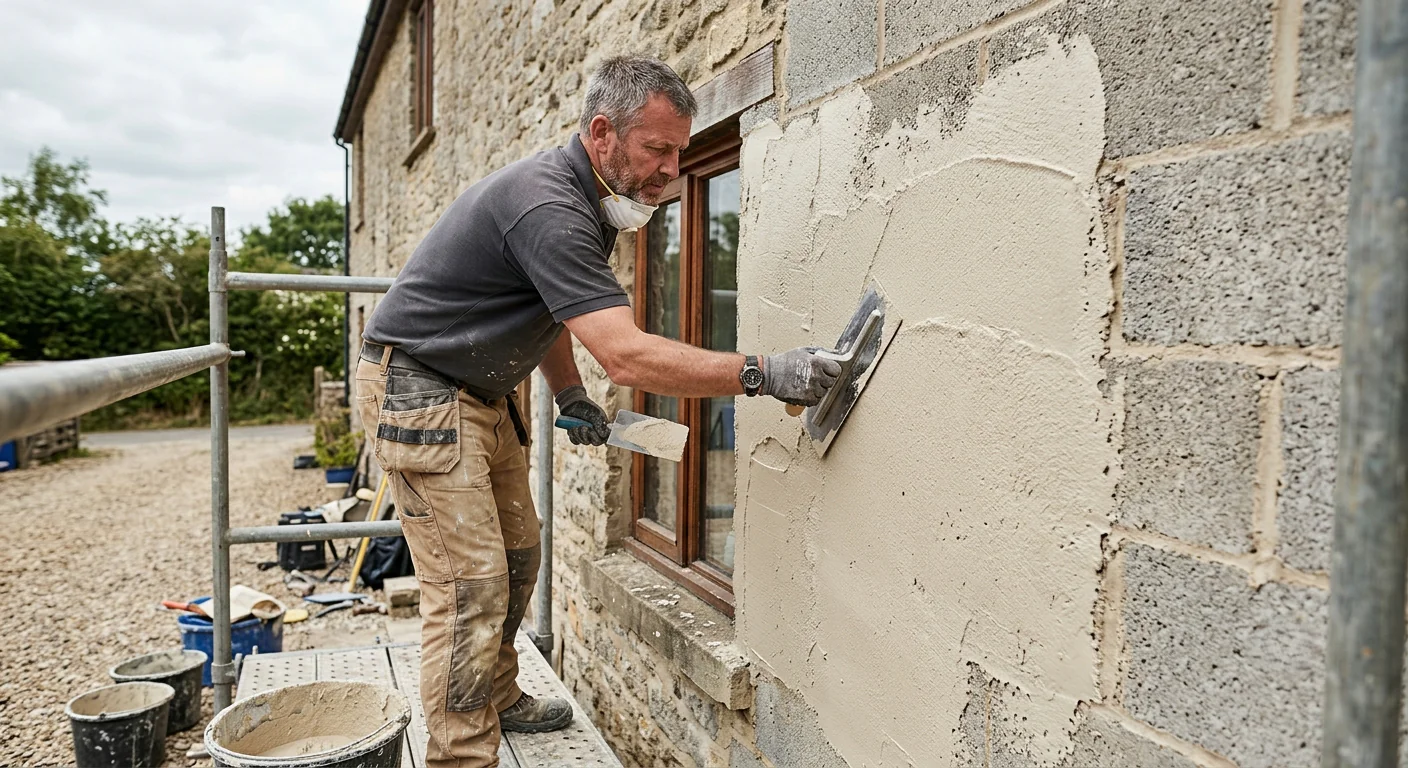
Acrylic rendering comes up in almost every facade conversation across Melbourne's south east right now, and for good reason — it's flexible, comes in an enormous colour range, and holds up better against seasonal ground movement than a lot of older, more rigid finishes. What trips people up isn't the product itself, it's the surrounding terminology. Acrylic rendering services, rendering contractors, rendering services more broadly — these all get used almost interchangeably online, and it's worth understanding what each actually covers before you start collecting quotes. Best Rendering Group works across acrylic and cement-based render systems on new builds, renovations and commercial projects, and the same handful of questions come up on nearly every job.
The other thing worth clearing up early is that acrylic rendering is, almost exclusively, an exterior product. It's built to handle UV, rain and thermal cycling, which means it does a completely different job to the finishes used inside a home. If you've been searching partly because of interior wall rendering as well as an exterior facade, it's worth knowing those two briefs typically call for different systems and different specialists — more on that below.
Acrylic rendering is a layered system, not a single coat sprayed straight onto brick. Understanding the layers explains why some acrylic finishes last fifteen years and others crack within eighteen months.
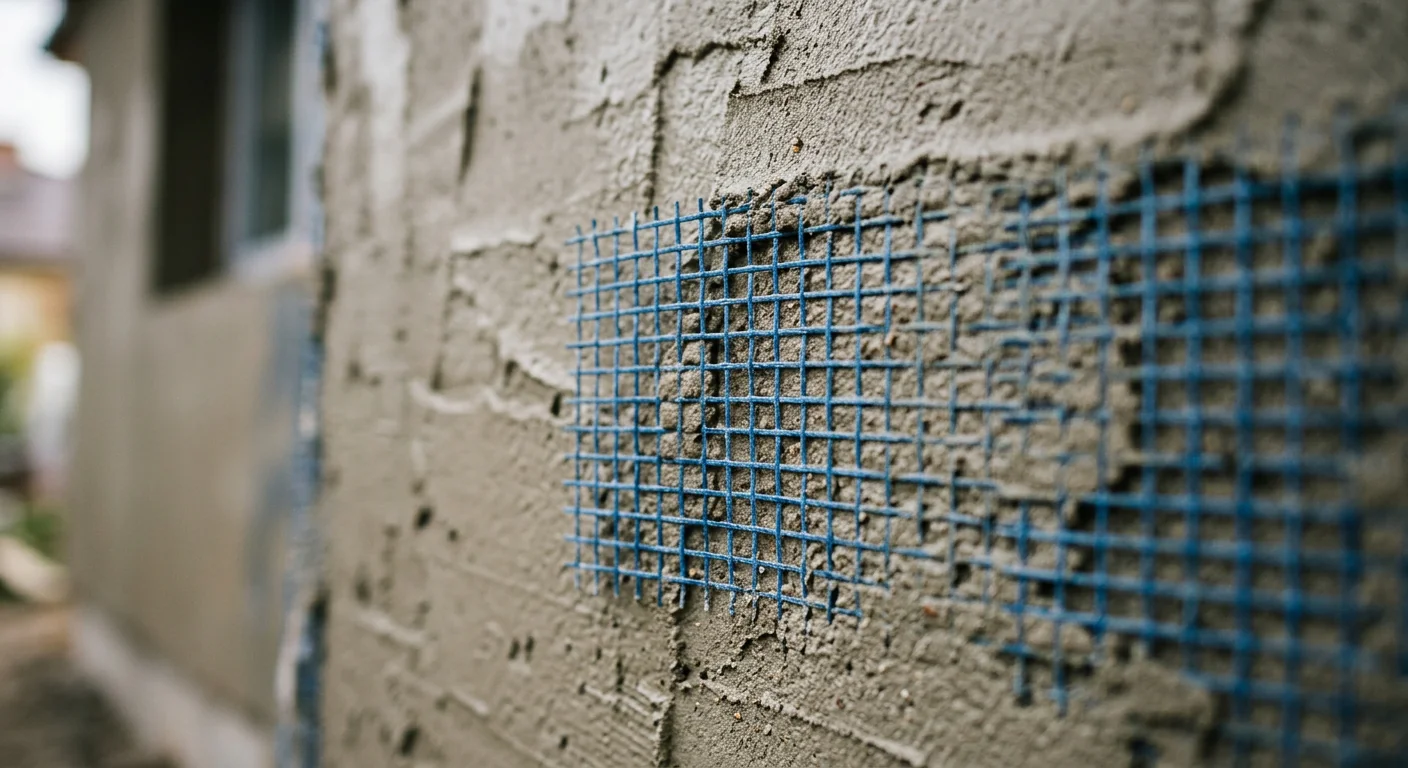
A reinforced, polymer-modified base coat is applied first, often with a mesh reinforcement embedded through it. This layer does most of the structural and crack-resistance work, and it needs proper cure time before anything else touches it.
The decorative, coloured finish coat sits over the cured base. It's what gives acrylic rendering its flexibility and colour range, and it's applied at a specific film thickness to hold coverage and colour consistency across the whole wall.
Facades, boundary and party walls, and increasingly over Hebel and fibre cement cladding on new-build estates, since acrylic's flexibility suits the ground movement common across a lot of Melbourne's growth-corridor suburbs.
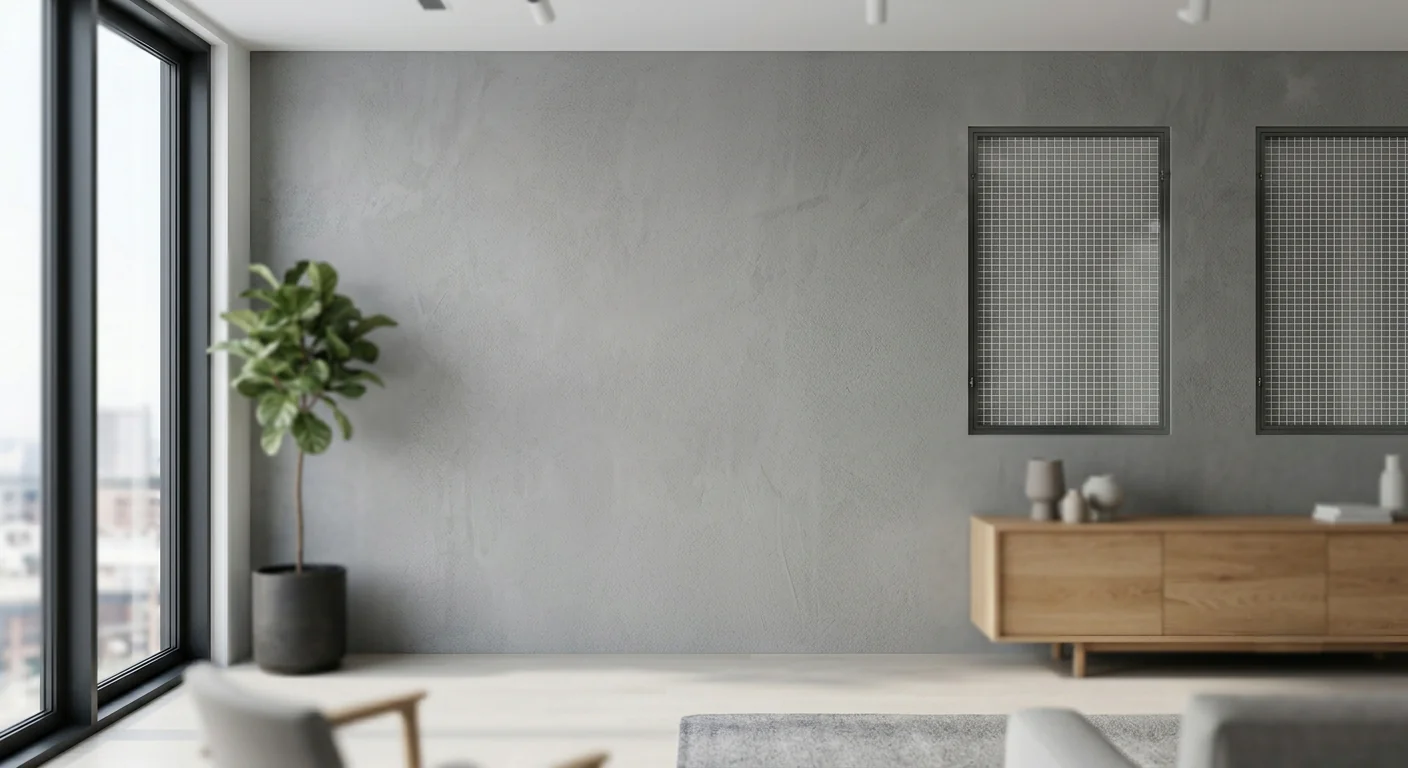
Interior wall rendering is generally a different system altogether — a smooth, cement-based or gypsum plaster finish designed purely for indoor appearance rather than weatherproofing, since it never has to deal with rain or UV exposure. It's a popular choice for feature walls, hallways and any space wanting that raw, textured render look without going anywhere near the outside of the building.
There's a smaller but genuine crossover use case worth knowing about — polymer-modified render systems, closely related to acrylic, are sometimes specified for high-moisture interior areas like laundries or bathroom feature walls, where a bit more resistance to humidity is genuinely useful. Outside of that specific case, standard acrylic rendering products aren't really designed for interior use, and a good set of plastering or interior render finishes will typically outperform an acrylic system indoors anyway. We handle both sides of this across projects from Dandenong through to Carrum Downs, and getting the right system matched to the right room matters more than most people expect going in.
Ask how long the base coat is left to cure before the topcoat goes on. Rushing this is the leading cause of early cracking.
Good rendering contractors will confirm the right primer and system for your specific substrate, whether that's brick, Hebel or fibre cement.
Ask for recent examples of acrylic rendering services matching your job type and scale, not a general portfolio from years back.
Confirm what's covered under the manufacturer's system warranty versus workmanship warranty, and get it documented, not just implied.
Pricing depends on wall area, substrate condition, and whether it's a fresh coat over new base render or a re-coat over an existing, weathered facade. These figures are a general guide only.
How much do acrylic rendering services cost?+
Pricing depends on wall area, substrate condition, and whether it's a fresh coat over new base render or a re-coat over existing, weathered render. As a general guide, a standard single-storey facade with a fresh acrylic topcoat sits from around $40 to $60 per square metre, while re-coats and feature textures run higher due to the added prep work. The stat-card breakdown further up this page covers the common scenarios, but an accurate number always needs a site assessment.
Is acrylic rendering better than traditional cement render?+
They suit different situations. Acrylic rendering offers more flexibility and a broader colour range, which handles the movement-prone soils common across a lot of Melbourne's newer estates well. Traditional cement render is more rigid and can be a better fit for certain heritage or solid masonry applications. For most modern residential builds and re-coats, acrylic tends to be the more practical, longer-lasting choice.
Can acrylic rendering be used for interior wall rendering?+
Not usually, and it's rarely the right product for the job. Standard acrylic rendering is formulated for exterior UV and weather exposure, which isn't relevant indoors. Interior wall rendering typically uses a cement-based or plaster finish instead, purpose-built for a smooth decorative look without the weatherproofing properties acrylic is designed around. The exception is certain polymer-modified systems occasionally used in high-moisture rooms like bathrooms or laundries.
How long does acrylic rendering take to fully cure?+
The topcoat is generally touch-dry within a few hours in good weather, but full cure to final hardness typically takes around two to four weeks. During that window it's still building strength, so it's worth avoiding pressure-washing or heavy contact with the surface until it's had proper time to cure.
What should I look for when comparing rendering contractors?+
Look for rendering contractors who can show recent, relevant project photos, explain their base coat and cure process without being vague about it, and confirm proper licensing and insurance for the scale of your job. A written, itemised quote covering material, labour and system warranty is also a strong sign you're dealing with a genuine operator rather than someone cutting corners to win the job on price alone.
Acrylic rendering is a genuinely solid choice for most exterior facades across Melbourne's south east, and there's nothing wrong with the product itself. What actually decides whether a wall looks sharp in ten years or is showing hairline cracks within eighteen months comes down to what happens underneath the colour — the base coat, the cure time, the substrate prep nobody sees once the scaffolding comes down. If your project also touches interior wall rendering, it's worth having that conversation separately, since it's genuinely a different system doing a different job.
Best Rendering Group provides acrylic rendering services and rendering services more broadly across new builds, renovations and commercial developments throughout Melbourne's south east, working directly with builders, developers and homeowners from Cranbourne through to Frankston and Beaconsfield. With more than a decade of hands-on experience and fully licensed, insured teams on every job — details worth confirming directly before booking — the base coat and cure schedule never get rushed just to hit a handover date.