
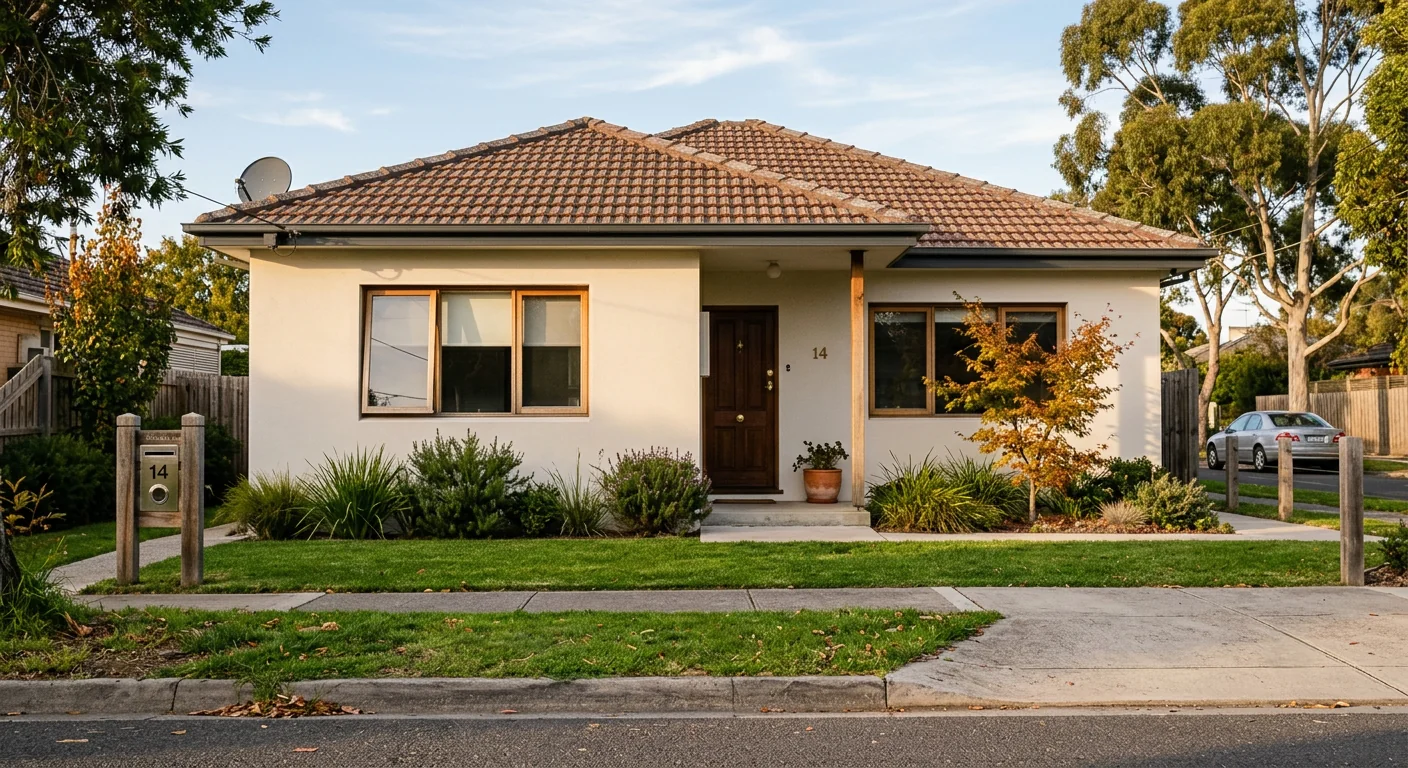
If you've started looking into house rendering Melbourne homeowners actually go with, you've probably noticed the options multiply fast - cement, acrylic, polymer, Hebel-based systems, and a dozen finishes within each one. It's a decision that changes how your house looks for the next fifteen to twenty years, so it's worth getting right the first time rather than living with a patchy job or a finish that gives up after two Melbourne winters. Best Rendering Group works with homeowners right across the south east on exactly this kind of project, from a single feature wall to a full exterior re-render.
This guide walks through the actual decisions you'll need to make: which render system suits your house, roughly what it costs by house size, when the timing matters, how to pick a renderer without getting burned, and what the job looks like once someone's on site. No jargon you have to google halfway through.
Most Melbourne houses are either brick veneer or weatherboard, and both react to this city's weather in ways that plainer climates don't have to deal with. Dry summers pull moisture out of masonry and paint, then wet winters push it straight back in - and that expansion-contraction cycle is exactly what causes hairline cracking, bubbling paint, and render that starts peeling at the edges after a few years if it wasn't applied properly the first time.
It's also just about how the house presents. A dated brick facade in Dandenong or a tired weatherboard place in Frankston can look ten years younger with a clean render finish - it's one of the few renovations that changes a street-facing first impression without touching the floor plan. Full rendering services cover everything from a single wall through to a complete exterior, and the right system depends on your existing surface, your budget, and how long you want it to last before it needs attention again.
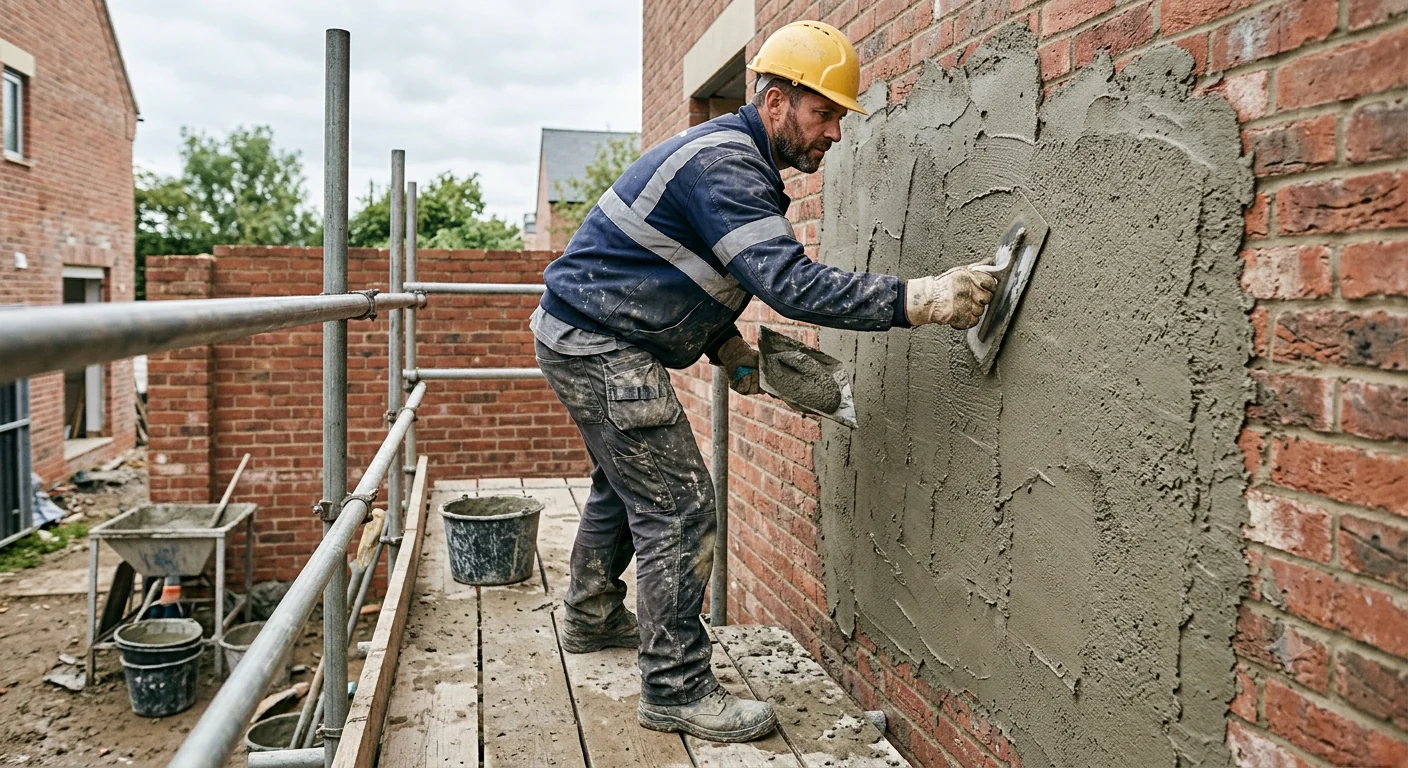
Not every render system suits every house, and this is usually where homeowners get the most conflicting advice. Here's the honest breakdown of what's actually out there for residential jobs.
The traditional option, and still a solid one for older brick homes. It's a sand-and-cement mix trowelled on in coats, then painted. Durable and relatively affordable, but it's rigid - which means it can crack over time if the substrate moves, and it needs a paint refresh every so often to stay looking sharp.
The most common choice for modern residential rendering Melbourne-wide right now, and for good reason. It's pre-mixed, more flexible than cement, comes pre-coloured (so no separate paint job), and handles minor substrate movement without cracking the way cement can. It's a slightly higher upfront cost that usually pays for itself in lower maintenance.
A step up again - better flexibility and weather resistance than standard acrylic, often used where a house is more exposed or where the client wants the longest possible gap between maintenance jobs. Costs a bit more per square metre but genuinely earns it on exposed elevations.
Technically not a "render" in the traditional sense, but it's become one of the most requested systems for new builds and renovations across Melbourne's growing suburbs. Hebel is a lightweight aerated concrete panel that gets installed then finished with a render-style coating - strong thermal performance, fast install, and a clean modern look. If you're comparing it against traditional render for a new extension, our dedicated Hebel installation page goes into more detail on when it makes sense.
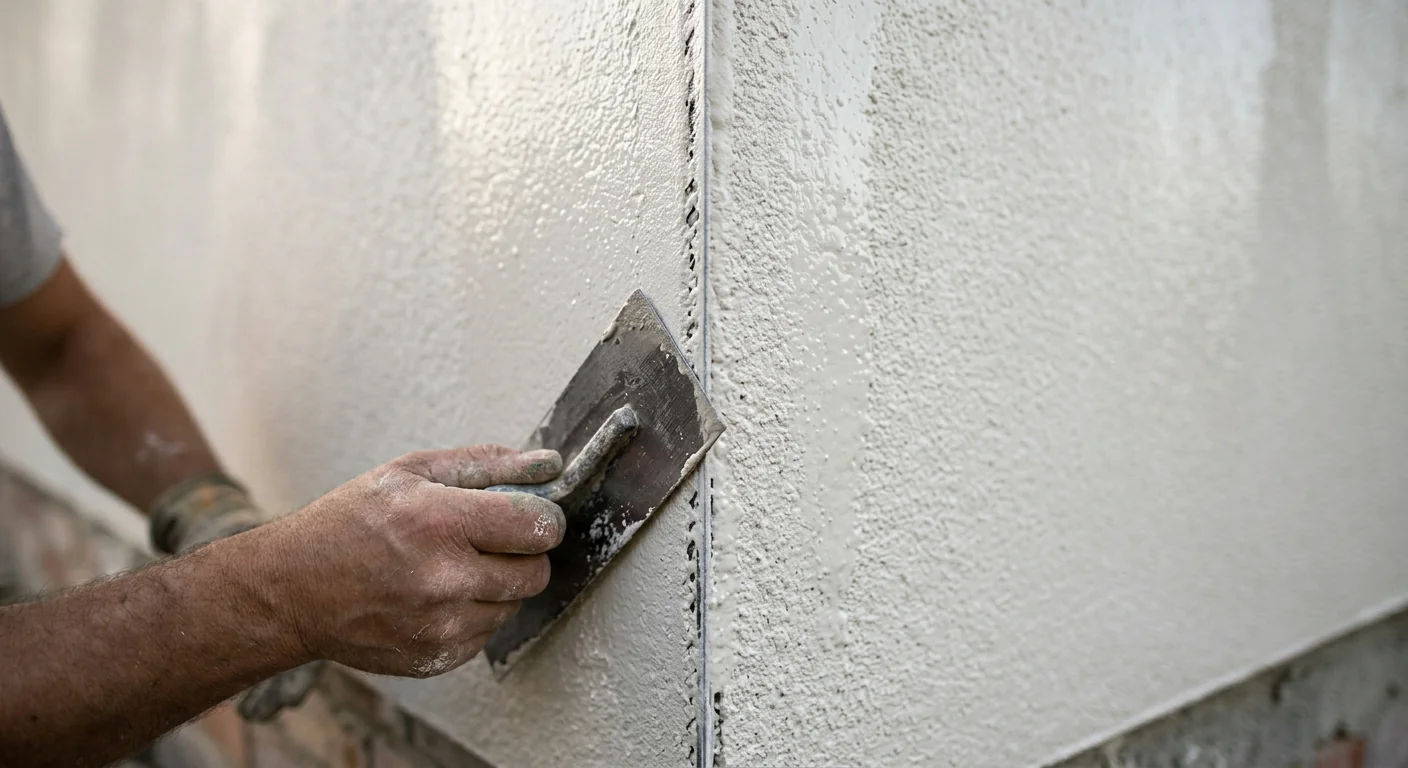
Hairline cracks in old cement render or brick mortar are usually the first sign it's time to look at a re-render rather than another patch job.
Older render that's gone patchy or powdery to touch has passed its useful life - repainting alone won't fix what's happening underneath.
Kerb appeal sells houses. A rendered facade is one of the highest-return updates before listing, especially on an older brick veneer.
Getting render done before the wet season closes in gives it a full curing window and stops moisture finding its way into gaps.
Cost depends heavily on house size, the system you choose, and how much surface prep is needed before anyone can start rendering. These are approximate ranges - every quote should be based on an actual site inspection, not a phone estimate.
These figures should be treated as a starting guide, not a fixed quote - get a proper on-site assessment before budgeting a final number.
How much does house rendering cost in Melbourne?+
Most single storey homes fall between $8,000 and $15,000, with double storey or full-facade jobs running higher depending on surface prep and the render system chosen. A proper quote needs an on-site inspection rather than a phone estimate.
How long does rendering a house take?+
A standard single storey home usually takes one to two weeks from surface prep through to the finished coat, weather permitting. Larger or more complex facades can take longer, and curing time between coats adds to the schedule.
What's the best type of render for Melbourne weather?+
Acrylic render is the most common choice for Melbourne homes because it flexes with minor substrate movement and handles temperature swings better than cement. Polymer render is a step up again for more exposed elevations.
Can you render over existing render or paint?+
In many cases yes, provided the existing surface is sound, clean, and properly prepared first. If the old render is cracked or failing, it generally needs repair or removal before a new coat goes on, otherwise the problem just resurfaces underneath.
Does rendering help with insulation?+
Rendering systems can contribute to improved thermal performance when specified correctly against Australian building standards, particularly systems like Hebel that add thermal mass. It's not a substitute for proper wall insulation, but it does help reduce draughts and moisture ingress.
Do I need council approval to render my house?+
Standard rendering on an existing house generally doesn't require council approval, but heritage overlays or specific local planning controls can apply in some areas. It's worth checking with your local council if your property sits within a heritage or design overlay zone.
The gap between a render job that looks good for five years and one that looks good for twenty usually comes down to prep work and the system chosen - not the finish colour everyone spends the most time deciding on. A house in Cranbourne facing full afternoon sun needs different consideration to a shaded weatherboard in Hampton Park, and that's the kind of detail that only shows up when someone's actually walked the site rather than quoted off a photo.
Best Rendering Group has worked on everything from single feature walls to full double storey exteriors across weatherboard homes, brick veneer renovations, and new builds throughout Melbourne's south east, working directly with homeowners, builders, and project managers on jobs of every size. If you're weighing up house rendering for your own place, get in touch with our team for a proper on-site quote before you commit to anything.